We may earn money or products from the companies mentioned in this post.
As an Amazon Associate I earn from qualifying purchases.
Table Of Contents
Have you ever wondered if cochlear implants can help with tinnitus? Well, you’re not alone. Today, we will dive deep into this subject, exploring tinnitus, its effects, a brief introduction to cochlear implants, and how they can potentially help those struggling with tinnitus.
Understanding Tinnitus
First thing’s first, let’s understand what exactly is tinnitus. This condition is characterized by an incessant ringing, buzzing, or hissing noise in the ears that feels real, but there is no external sound to account for these sensations. Check out the blog post on What are Tinnitus Sounds to get a vivid idea of this.
Tinnitus can be categorized into two types: subjective, which is the most common and only audible to the individual, and objective, where the sound can also be heard by the doctor. This seemingly simple issue can be a symptom of underlying health concerns like ear injury, circulatory system disorders, or age-related hearing loss.
Effects of Tinnitus
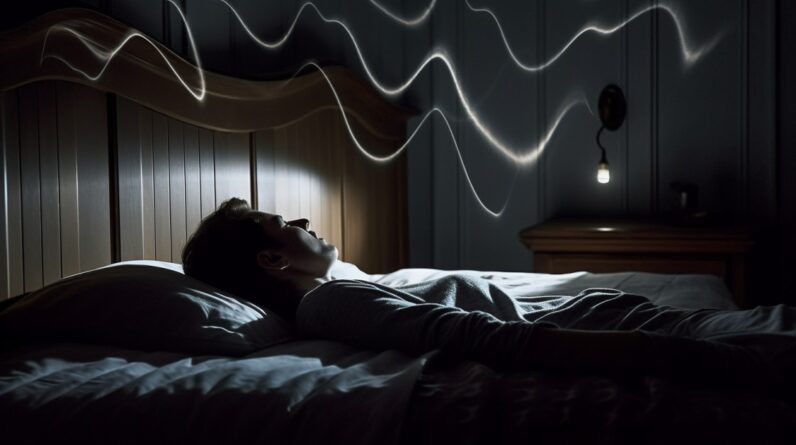
A closer examination of the Effects of Tinnitus reveals that it’s more than just a minor annoyance. It can heavily impact an individual’s daily life. The persistent and untimely sounds may disrupt concentration and add stress to even routine tasks, not to mention what they can do to your sleeping patterns.
This interference with sleep is particularly troubling, leading to fatigue and a decreased ability to handle the day’s challenges. Moreover, the distress it causes can result in mental health issues like depression and anxiety, thereby significantly affecting the quality of life.
Cochlear Implants – An Overview
Now let’s shift our focus to cochlear implants. These are small electronic devices surgically implanted in the ear, designed to provide a sense of sound to people who are profoundly deaf or severely hard of hearing. They work by bypassing the damaged parts of the ear and directly stimulating the auditory nerve. Signals generated by the implant are sent via the auditory nerve to the brain, which recognizes the signals as sound.
Remember, cochlear implants are not designed to cure hearing loss or restore hearing completely, but they can help a person perceive sounds, including speech, significantly better than they previously could. It’s not too much of a leap to wonder if such a transformative device could also have an impact on tinnitus. Stick around as we explore this thought in the sections to come.
Cochlear Implants and Tinnitus: The Link
You must be wondering, “But how can cochlear implants help with tinnitus?” A valid question indeed. Cochlear implants provide auditory stimulation that diverts the brain’s attention away from the tinnitus sounds. Essentially, they mask the phantom noises of tinnitus with real sounds, providing considerable relief to the individuals suffering from this condition.
Examining the Mechanism of Cochlear Implants
To comprehend better how cochlear implants can suppress tinnitus sounds, we first need to understand the working mechanics of these implants. A cochlear implant doesn’t just amplify sound like hearing aids. Instead, it transforms sound waves into electrical signals. These signals are sent through an electrode array, which is placed in the cochlea (the spiral-shaped part of the inner ear), directly stimulating the auditory nerve. By this process, cochlear implants bypass the damaged parts of the ear and directly deliver signals to the brain, which are then perceived as sound. Quite fascinating, right?
Efficacy of Cochlear Implants in Tinnitus Treatment
With the evident potential of cochlear implants, let’s now review their efficiency in treating tinnitus. Different studies and personal testimonials underscore the effectiveness of cochlear implants in alleviating tinnitus-related distress. You can find some inspiring stories from the page on good tinnitus success stories. Some individuals have even reported a total absence of tinnitus symptoms after cochlear implantation. However, it’s worth noting that results can vary from person to person.
List of Celebrities who have gained from Cochlear Implants
The power of cochlear implants transcends to the celebrity world too. Many famous personalities have successfully harnessed these wonders of technology to combat tinnitus and hearing loss. Want to know who they are? Head over to celebrities who have tinnitus and check out the list.
Potential Side Effects and Risks with Cochlear Implants
Though cochlear implants offer a promising solution to tinnitus and hearing loss, they do come with their own set of potential risks and side effects. These can include infection, nerve damage, tinnitus aggravation, changes in taste, and balance problems. It’s essential to extensively discuss these with your healthcare provider before making a decision. Remember, the goal is to improve your quality of life; hence, weigh in on all aspects before moving forward.
Conclusion: Can Cochlear Implants Cure Tinnitus?
And there you have it – a deep dive into tinnitus, cochlear implants, and the intersections between these two realms. So, going back to our primary question: Can cochlear implants cure tinnitus? The answer, as we’ve uncovered, is not as straightforward as we’d love it to be.
While cochlear implants can most certainly provide significant relief to many tinnitus patients by masking or even completely suppressing tinnitus sounds, they are not a one-size-fits-all solution. Each individual’s experience with tinnitus is unique, as is their response to treatment options. In some cases, cochlear implants might not show any positive effect, or they might even intensify tinnitus symptoms.
Therefore, it’s crucial to consult with knowledgeable and reputable medical professionals, such as those at the American Tinnitus Association before deciding on a treatment plan. Additionally, sites such as the “Mayo Clinic Tinnitus Overview” and “NIDCD on Tinnitus and cochlear implants” offer a wealth of information to support your research.
Making any health decision, particularly one that involves surgery, can be nerve-wracking. The good news is you’re not alone. By educating yourself and seeking advice from professionals and others who are traversing the same path, you can make an informed, thought-out decision that suits you best.
In conclusion, while cochlear implants demonstrate promising possibilities in tinnitus treatment, they are not a definitive cure. More research investments are required to understand the root causes of tinnitus fully and develop targeted, effective treatment protocols for this disruptive and challenging condition. Until we get there, borrowing a leaf from one of the world’s oldest sayings seems apt, “PREVENTION is better than cure.” So, keep those ears safe and healthy!
Can Cochlear Implants Help Tinnitus
Frequently Asked Questions (FAQ)
Tinnitus is a condition characterized by a constant or intermittent ringing, buzzing, or hissing sound in the ears. It’s often a symptom of an underlying condition like ear injury, age-related hearing loss, or disorders in the circulatory system.
Cochlear implants work by bypassing the damaged part of the ear and stimulating the auditory nerve directly. They convert sound waves into electrical signals which are sent via an electrode array placed in the inner ear, directly to the brain where they are perceived as sound.
While cochlear implants have proven to offer significant relief to many individuals with tinnitus, it’s important to note that they do not cure the condition. They help by diverting the brain’s attention away from the tinnitus sounds. However, the results can vary greatly from person to person.
Side effects of cochlear implants can include infection, nerve damage, changes in taste and balance, and aggravated tinnitus symptoms. It’s essential to discuss these risks with a medical professional before deciding on cochlear implantation.
Deciding on a suitable solution for your tinnitus should be a consultative process between you and your medical provider. It’s crucial to weigh in all aspects, educate yourself and seek advice from professionals before making a decision.
Amazon and the Amazon logo are trademarks of Amazon.com, Inc, or its affiliates.
No related posts.