We may earn money or products from the companies mentioned in this post.
As an Amazon Associate I earn from qualifying purchases.
The faint buzz, the elusive whistle, or the persistent ring – if these sounds seem familiar and personal, you could be one of the many people battling with tinnitus. But the question we’re exploring today is an intriguing one; can ear candles lend a hand in this complex sonic battle? Our quest today brings us to delve deeper into this age-old practice and its correlation to Tinnitus.
Unraveling the Mystery: Understanding Tinnitus
Embarking on the neurological labyrinth that is tinnitus, we must first grasp what it truly is. Tinnitus, often shrouded with a spectrum of sounds, is a perceived ringing, buzzing, hissing, roaring, or clicking that occurs in one or both ears. It is not a disease in itself, but rather an underlying symptom of diverse health issues or hormonal changes.
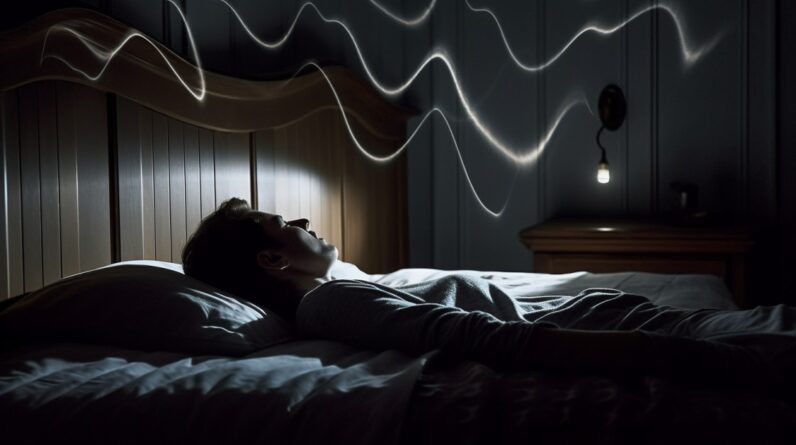
A closer look at tinnitus elicits our understanding of the sounds that tinnitus victims echo. From a soft, hairline whisper only heard in silence to an overwhelming sonic wave inhibiting daily routines – tinnitus varies significantly among individuals, both in volume and tone.
Curiously enough, the nature of these phantom sounds fluctuates with our emotional tide. Stress and anxiety tend to amplify the volume and frequency of these invasive sounds.
The Connection Between Tinnitus and Other Conditions
Tinnitus is rarely a loner. It often arrives in tandem with various health conditions, sparking a curious conversation about interconnections and their systemic reverberations. For instance, a menacing connection has been detected between tinnitus and sleep disorders such as sleep apnea.
Equally alarming is the role of anxiety and stress in enthralling this neurological tussle. The incessant sounds amplified by anxiety wind reiterate a vicious cycle of stress-tinnitus-anxiety, ensnaring the afflicted in an echolalic maze.
High blood pressure, too, has been implicated in this sonic side-story. A correlation has been suggested between hypertension and pulsatile tinnitus, highlighting the cardiovascular implications in the auditory realm.
With the ebb and flow of these complex interconnections set into perspective, we can now hike into the realm of ear candling – a beacon of hope on the dismayed shores of tinnitus.
Ear Candling: Does It Really Help with Tinnitus?
Ear candling, a technique marked with ancient and ceremonial connotations, has recently entered the arena of natural therapies and alternative healing. But what does it entail? How can a mere candle, embraced delicately into one’s ear, lend a hand in dealing with tinnitus?
Tracing back to the traditional healing practices of Native American tribes, ear candling, also known as ear coning, involves a specialized hollow candle. One end of which fetches a comfortable corner in the person’s ear, as the other end embraces a soft flame. The ensuing warmth nurtures a gentle suction (chimney effect), intending to extract earwax and other potential debris from the ear canal.
While it’s quite a spectacle to witness, the efficacy of such a practice has been a subject of robust debate. Many tinnitus sufferers point towards apparent relief after an ear candling session. However, it’s crucial to remember that, like tinnitus, a lot hinges upon individual perception and experience.
Further utilizing the ear-device-for-tinnitus could offer a different solution and provide relief without the potential risks associated with ear candling.
Still, some circles circled the wagon around ear candling, sighting it as an unconventional yet potent treatment-for-tinnitus-anxiety.
Studies and Recommendations: Ear Candling and Tinnitus
The claim of ear candling serving respite for tinnitus sufferers has been subjected to scientific scrutiny. A handful of investigative studies pose a blend of viewpoints, throwing the campaign for and against ear candling into sharp relief. Many studies challenge ear candling’s therapeutic value, highlighting the lack of scientific support and potential health risks. Yet, a contrasting school of thought emphasizes anecdotal evidence indicating its possible benefits. Despite the divide, most health experts agree that more research is needed for definitive conclusions. The echo of Tinnitus Cognitive Behavioral Therapy reverberates across these divided walls of research. Cognitive therapies have a canvas of evidence backing their effectiveness in managing tinnitus, emphasizing emotional support and practical coping strategies. Perchance, ear candling could seek a similar path – focusing on the holistic experience of the ritual, ushering relaxation and calm, rather than attributing physical benefits to the candles’ flame or wax.
Hopi Ear Candles: An Ancient Remedy for Tinnitus
Let’s tread a bit further on the torchlit path of ear candling and explore Hopi ear candles, an intriguing twist on this ancient remedy. The Hopi, an Indigenous tribe in North America, are often credited with the origination of this technique. They utilized special herbs and beeswax to craft the candles, believing fire’s sacred element could purify and cleanse. The real question, though, is how this historical curio stands against tinnitus? Word has it that Hopi ear candling can soothe the tormenting symphony in our ears. Yet, pure evidence still plays coy and anecdotal accounts reign here.
To Candle or Not to Candle: Weighing Alternatives
As we stand on crossroads between tradition and science, pondering on ‘to candle or not to candle’, it might be helpful to gaze upon other paths to tinnitus relief. Ear candling, despite its undeniable allure, may not be for everyone. So, what else can come to our aid?
Sound therapy and cognitive-behavioral therapy (CBT) have gathered applause for their role in coping with tinnitus. Sound therapy, either with bedside sound generators or wearable devices, uses external sounds to mask tinnitus, helping many find solace in the calming sounds.
CBT, on the other hand, lends us a psychological edge. It guides individuals to manage their reaction to tinnitus sounds rather than the sounds themselves. It’s empowering and deeply rooted in easy to use sessions that can be tweaked around your routine.
Conclusion: Can Ear Candles Really Help With Tinnitus?
As we reach the end of our exploration, the mysteries of tinnitus and ear candles continue to compel us. Perhaps, the truth lies not simply in wax or flame, apps or therapies, but in individual experiences and perceptions. Tinnitus demands more than mere remediation—it seeks holistic harmony, patient endurance and a profound understanding.
Can Ear Candles Help With Tinnitus - Frequently Asked Questions (FAQs)
Tinnitus is a health condition where individuals experience a constant ringing, buzzing or hissing sound in their ears. This persistent sound may vary in volume and pitch, and is often more noticeable in quiet environments. Tinnitus isn’t a disease in itself, but instead, a symptom of an underlying health issue such as age-related hearing loss, ear injury or a circulatory system disorder.
Ear candling is an ancient practice believed to help with various ear issues. It involves placing a hollow candle into the ear canal and lighting the other end. The process creates a low-level vacuum that draws earwax and other debris out of the ear canal. It’s supposed to provide a sense of relief for those suffering from conditions like Tinnitus, though scientific support for these claims is limited.
While some anecdotal accounts highlight relief from Tinnitus symptoms after an ear candling session, there is no scientific evidence to substantiate these claims. In fact, ear candling can pose a risk due to the involvement of an open flame. It is essential to explore all potential treatment options with a healthcare provider before attempting to self-treat symptoms of Tinnitus.
Several alternatives exist for treating Tinnitus, including sound therapy, cognitive behavioral therapy, and various medical treatments based on the underlying cause of tinnitus. Addressing associative conditions such as high blood pressure and anxiety can also offer significant relief. It’s advised to communicate with a healthcare professional to explore safe and effective treatments suitable to individual conditions.
Amazon and the Amazon logo are trademarks of Amazon.com, Inc, or its affiliates.
Related posts:
- Unraveling the Mystery of Left Ear Ringing: Medical Causes, Spiritual Significance, and Effective Solutions
- Antidepressants for Tinnitus: A Miracle Cure or a Hidden Curse?
- Unraveling the Mystery of Ear Ringing After Sneezing: Causes, Risks, and Effective Solutions
- Unlocking the Secrets of Ear Pain and Ringing: Comprehensive Guide to Causes, Symptoms, and Breakthrough Relief Strategies