We may earn money or products from the companies mentioned in this post.
As an Amazon Associate I earn from qualifying purchases.
Introduction to Tinnitus
Have you ever experienced a ringing in your ears that doesn’t seem to go away? This puzzling sensation is called tinnitus, a condition that affects approximately 15-20% of the population. But what exactly is tinnitus and how does it feel?
At Tinnitus Explained, we delve deeper into the world of tinnitus, providing comprehensive insights about this condition, its causes, and potential treatments.
What is Tinnitus?
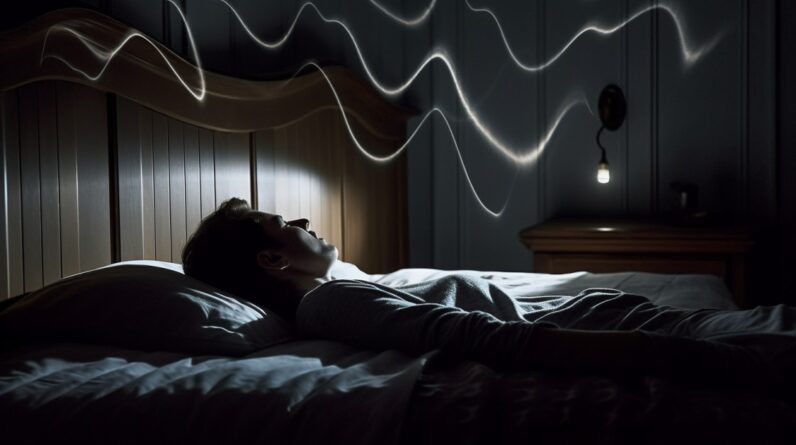
Tinnitus is the perception of noise or ringing in the ears when no external sound is present. It can manifest itself as a low roar or a high squeal. Some people hear it in one ear, while others experience it in both. In some cases, the sound can be so loud it interferes with your ability to concentrate or hear actual sound. Now, a common question we run into is – can Q-Tips cause tinnitus?
The Relationship between Q-Tips and Tinnitus
While Q-Tips serve various purposes from applying makeup to cleaning intricate items, their most common use is ear cleaning. However, the relation to tinnitus stems from potential harm incurred from misuse of these seemingly harmless cotton swabs.
Can Q-Tips Cause Tinnitus?
Surprising to many, the answer is yes. To put simply, incorrect usage of Q-tips can lead to tinnitus, and we’ll explore why on our page ‘can q tips cause tinnitus’ here.
Q Tips and Ear Health
Using Q-Tips for cleaning the ear canals can have unintended consequences. When you insert a Q-tip into your ear, there’s a risk of pushing the earwax deeper into the canal. This action can lead to impaction, ear injury and even hearing loss – all potential causes of that unsettling ringing in your ears. Let’s delve more into the after-effects of Q-tip usage.
Ear Ringing after Using Q Tips
The feeling of an ear ringing after using Q-Tips is quite a common fallout. I’m sure we’ve all been there, right? One moment you’re just cleaning your ears, the next moment you’re introduced to an uninvited ringing sensation. This innocuous act might have triggered tinnitus, but don’t fret it’s not the end of the world. Many have walked this path and learned how to cope, or even overcome this pesky condition. So let’s journey together and unearth more about tinnitus as we proceed.
Understanding Tinnitus
As we’ve begun to grasp the potential impact of Q-tip usage on tinnitus, it becomes essential to delve deeper into the nitty-gritty of the tinnitus condition itself.
Signs and Symptoms of Tinnitus
Tinnitus is more than just “buzzing” or “ringing” in the ears. People report hearing various kinds of sounds, such as hissing, roaring, clicking, or humming. The sounds may vary in pitch and occur in one or both ears. Some individuals might find the noise bothersome while others might hardly notice it. It’s also important to remember that tinnitus is a symptom itself and not a condition, often indicating an underlying possible health concern such as age-related hearing loss, ear injury, or a circulatory system disorder.
What Does Tinnitus Sound Like?
Our ears perform the remarkable task of converting the world’s silence and noise into meaningful experiences. But when it starts relaying its buzz, we must listen. Describing tinnitus sounds isn’t one-size-fits-all; it’s as unique as we are. Some people experience it as constant low-level noise, like an appliance hum. Others hear persistent high-pitched whistles or buzzes. Still, some others recount it as sporadic bursts of sound, likened to sudden whistling kettles or ringing telephones.
Managing Tinnitus
Living with tinnitus can be challenging, but know that you’re not alone. Several strategies can provide tinnitus relief. These include cognitive behavioral therapy, sound therapy, and masking devices. A healthy lifestyle also plays an important part. Regular exercise, a balanced diet, and good sleep can help manage tinnitus symptoms efficiently.
Tinnitus and Anxiety
One aspect of tinnitus that isn’t often talked about, but is very important, is its capacity to fuel anxiety. According to American Tinnitus Association, Tinnitus and anxiety are intricately connected. Anxious feelings can escalate due to the constant noise in your ears, and the added stress can in turn worsen your tinnitus symptoms – an exhausting cycle, indeed. You can read more about how tinnitus cause anxiety at our blog.
Understanding Tinnitus and its impact is a vital step in finding solutions. Let’s not allow a roll of cotton tip us into an abyss of constant buzzing. Tune into the silence between the noises, and let’s continue our exploration into the prevention and treatment of Tinnitus.
Prevention and Treatment
Preventing Tinnitus
Familiar with the saying, “prevention is better than cure”? It rings true when it comes to tinnitus. Prevention strategies are manifold, beginning with appropriate ear care. Avoid loud sounds or use protection when exposed to loud noises. Limit the use of earbuds or earplugs, including Q-tips. Your ears have a natural cleaning system; Q-tips should only help clean the outside of your ears. Balancing your diet and reducing alcohol and caffeine intake can also help in preventing tinnitus. Adopting these strategies can save you from the unnerving experience of constant ringing or buzzing in your ears. Now, if you’re already experiencing these symptoms, don’t worry. There are various treatments available.
Treatment for Tinnitus
When it comes to Tinnitus treatment, remember, there is no ‘one-size-fits-all. Everyone’s journey is unique. However, certain modalities have found wide acceptance among professionals. One of them is tinnitus cognitive behavioral therapy, which helps patients understand and modify their reactions to tinnitus, reducing its perceived intensity. Another effective treatment is tinnitus sound therapy, which employs sounds to distract or habituate you to tinnitus. WebMD has useful resources on these therapies and other treatments you can explore.
Success Stories
Still feeling a bit apprehensive? Let some good tinnitus success stories provide you hope and encouragement. These stories serve as proof that tinnitus can be successfully managed. Individuals who learn about their condition, receive support from healthcare professionals, and discover their unique coping strategies often find significant relief from tinnitus.
Key Takeaways
What did we learn today? Tinnitus could indeed take root from something as simple as a Q-Tip. However, with awareness, prevention strategies, and various treatments at our disposal, tinnitus management is more than just possible. It can become a reality. If you’re experiencing symptoms of tinnitus or any discomfort associated with your ears, don’t shelve it. Seek professional help from your healthcare provider. Remember, every great silence begins by learning to quiet the noise. And as you have seen, the journey through Tinnitus can be challenging, but with adoption of the right habits, usage of effective treatments, and drawing inspiration from success stories, tranquility is well within reach. Keep tuning into silence, and let’s keep the conversation about Tinnitus alive.
Can Q Tips Cause Tinnitus - Frequently Asked Questions (FAQs)
Yes, improper and excessive use of Q-tips can lead to the development of tinnitus. This is due to the potential risk of pushing the earwax deeper into the ear canal which can lead to impaction and potential injury to the ear.
Q-tips, when used to clean the inner ear, can potentially harm the ear canal and the eardrum. Pushing the wax deeper can cause impaction and subsequently result in tinnitus.”
Yes, tinnitus caused by misuse of Q-tips can often be treated. Treatments available include therapies like Cognitive Behavioral Therapy and Sound Therapy. Lifestyle changes could also significantly benefit.
Over-the-counter wax softening drops, or a simple mix of water, vinegar, and hydrogen peroxide can be used as alternatives. A bulb syringe can be used to gently flush the ear. However, it’s always advisable to consult a healthcare professional.
Tinnitus duration and impact vary significantly with each individual case. Sometimes, the tinnitus might go away on its own once the earwax is dissolved or removed, and the ear heals. However, it may persist or even worsen in some cases. It is important to consult a healthcare professional to understand and manage your symptoms better.
Amazon and the Amazon logo are trademarks of Amazon.com, Inc, or its affiliates.
Related posts:
- Unlocking the Secrets of Ear Pain and Ringing: Comprehensive Guide to Causes, Symptoms, and Breakthrough Relief Strategies
- Tinnitus Unmasked: Why Your Ear Has Been Ringing for Hours and How to Silence It
- Decoding the Mystery of Ear Ringing: Unveiling Medical, Spiritual, and Environmental Implications
- Debunking Ear Ringing Myths: Unveiling the Science Behind Tinnitus and Overcoming the Noise of Misconceptions