
We may earn money or products from the companies mentioned in this post.
As an Amazon Associate I earn from qualifying purchases.
Table Of Contents
Ever feel like a little hummingbird has taken residence in your ear, fluttering its wings incessantly? Welcome to the world of Tinnitus – which is essentially a constant ringing, buzzing, or humming noise in the ears. The sounds can range from a mild annoyance to a debilitating issue, affecting all aspects of life. The most common query that pops up in relation to Tinnitus is can it cause ear bleeding? Let’s delve right into it.
Understanding Tinnitus
Tinnitus, often linked to the use of hearing aids, is a condition that isn’t really well understood. There are two main categories: subjective, where only the person can hear the sounds, and objective, where a doctor can also hear it during an examination. People describe tinnitus sounds in really unique ways – some say it’s like a tea kettle going off, others compare it to the sound of crickets chirping.
Tinnitus symptoms can be really diverse, and include not just the phantom noises but also problems with concentration and sleep disturbances. An estimated 1 in 8 adults experience tinnitus in the United States, quite a telling statistic about its prevalence. Various causes can trigger tinnitus – from exposure to loud sounds to certain medications and even age-related hearing loss.
The Connection Between Tinnitus and Anxiety
Tinnitus and anxiety often feed into each other in a distressing cycle. But how does Tinnitus cause anxiety? For many people dealing with Tinnitus, the incessant noise is more than just a physical problem. It leads to worry and stress about the noises, creating anxiety. On the other hand, anxiety or stress can exacerbate tinnitus, increasing the intensity of the noise.
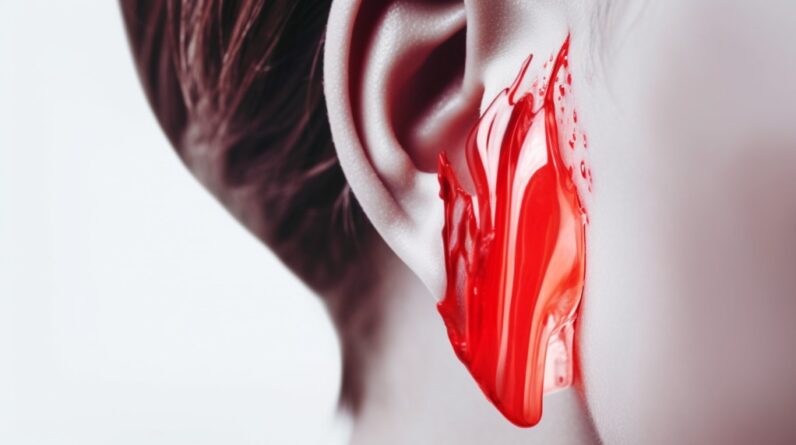
Can Tinnitus Cause Ear Bleeding?
The direct link between tinnitus and ear bleeding is murky at best. Most medical expert advice suggests that Tinnitus itself doesn’t cause ear bleeding. However, conditions that cause bleeding in the ear canal can also lead to the development of Tinnitus. Nevertheless, if you notice any bleeding or experience pain in the ear alongside tinnitus, it is essential to seek immediate medical help.
In conclusion, Tinnitus remains a largely misunderstood condition that ‘rings true’ for many people around the world. The link between Tinnitus and ear bleeding might not be conclusive, but there is no denying the impact it has on individuals’ lives. Access to trusted tinnitus resources and consistent check-ups could go a long way in managing this life-altering condition. Stay tuned to our website for more insightful information and updates on navigating the world with Tinnitus. No matter what, remember, you don’t have to face it alone. There’s always help and hope.
Other Causes of Ear Bleeding and Ringing
Beyond Tinnitus, there are quite a number of other factors that can cause your ears to ring suddenly or bleed. One of the main culprits is trauma. This might be from something as simple as using a cotton bud too roughly, or even a physical injury to the ear. In addition, a foreign body in the ear may not only cause discomfort and bleeding, but it can also set off the ringing noises associated with Tinnitus.
Infections account for a large chunk of these incidences too. Bacterial or viral infections can trigger inflammation and swelling, which could subsequently lead to ear bleeding and the manifestation of those telltale Tinnitus sounds. It’s always best to seek medical help if you notice any abnormal symptoms, just to be on the safe side.
Treatment and Management of Tinnitus
Dealing with Tinnitus can be quite a challenge. However, various treatment modalities such as cognitive behavioral therapy can significantly help manage the symptoms.
Medical treatments typically involve the use of medications to help alleviate the underlying cause of tinnitus. This may include antibiotics for infections or steroids to reduce inflammation. In some instances, a professional may use specialized techniques or devices, like hearing aids, to mask the tinnitus sounds.
Natural remedies like relaxation techniques, avoiding caffeine, and employing white-noise devices can also help manage Tinnitus at home. And this is where lifestyle changes come in. From avoiding noisy environments to maintaining a healthy diet, every little bit counts towards managing Tinnitus.
When to Seek Medical Help
While Tinnitus can be regular and even become a ‘normal’ part of your everyday life as the episodes increase, it’s always important to know when to see a doctor. Remember, Tinnitus can also signify an underlying health issue, especially if it is accompanied by other symptoms like dizziness, sudden hearing loss, or ear bleeding.
Conclusion
Understanding Tinnitus – its causes, treatment, and management strategies – can better equip you in living with this condition. While Tinnitus cannot directly cause ear bleeding, it remains a prevalent symptom associated with many other ear ailments, necessitating a visit to a doctor when these symptoms persist. Continue seeking reliable health information and stay tuned to our website for practical advice and invaluable insights on Tinnitus and other related topics. Above all, remember you’re not alone, and there’s always help available for those persistent, fluttering sounds in your ears.
Can Tinnitus Cause Ear Bleeding
Frequently Asked Questions (FAQ)
Tinnitus is a condition characterized by the perception of noise or ringing in the ears. The sounds perceived can vary from a buzz or hum to a whistle-type noise. Tinnitus isn’t a disease itself, but rather a symptom of an underlying condition.
There isn’t conclusive evidence linking Tinnitus to ear bleeding. Generally, Tinnitus is an effect rather than a cause of ear conditions. However, any abnormal ear symptoms such as bleeding should always be examined by a healthcare professional.
There are several treatment strategies for Tinnitus, often targeting the underlying cause. These include the use of medications, counseling, sound therapy, or even devices like hearing aids that can mask the noise of Tinnitus. Lifestyle changes and natural remedies can also help manage Tinnitus.
Tinnitus and anxiety can often form a cyclical relationship, where each condition feeds on the other. Tinnitus can trigger anxiety due to the discomfort and worry it causes, and the stress and worry from anxiety can also exacerbate Tinnitus symptoms.
It is important to seek medical advice when your Tinnitus is persistent, is only in one ear, or is associated with other symptoms like dizziness, hearing loss, or ear bleeding. Always consult a healthcare professional if you have any concerns about your ear
Amazon and the Amazon logo are trademarks of Amazon.com, Inc, or its affiliates.
No related posts.