We may earn money or products from the companies mentioned in this post.
As an Amazon Associate I earn from qualifying purchases.
Welcome to the intriguing discussion on tinnitus, a common but often misunderstood condition. You’re not alone if you’ve ever asked yourself, “Can tinnitus make me crazy?”
Understanding Tinnitus
Have you ever been kept up at night by a ringing or buzzing sound that no one else can hear? It isn’t your imagination; it’s a condition called tinnitus. So, what exactly is tinnitus? It’s an acoustic perception that can manifest as ringing, buzzing, or even a hissing sound in the ears with no external source. The severity of tinnitus and how it affects daily life varies widely among individuals.
Various factors can exacerbate tinnitus, but stress is a significant trigger. Living with persistent, disconcerting noise can lead to increased anxiety, creating a frustrating cycle for those with severe cases. This might even be classified as a mental health issue under certain circumstances. For more insights on this, take a look at Tinnitus and Anxiety.
Tinnitus and Sanity: An Overview
When the sounds of tinnitus become a constant companion, it’s not surprising to question, “Can tinnitus actually drive individuals crazy?” It’s essential to underscore that ‘crazy’ here is not a clinical term. However, it does speak to the distress and mental turmoil a chronic condition like tinnitus can provoke.
Many individuals with tinnitus often recount feelings of frustration, stress, isolation, and even despair. These shared experiences paint a vivid picture of the sanity challenges that one may face with tinnitus.
Does Tinnitus Cause Anxiety?
There’s an interesting question to ponder: which came first, tinnitus or anxiety? An important concept to grasp is that while tinnitus itself is an audiological issue, it’s often the accompanying emotional distress that truly affects individuals. There’s evidence that tinnitus and anxiety share a reciprocal relationship. Chronic tinnitus can give rise to significant anxiety and conversely, heightened anxiety can intensify tinnitus symptoms. Explore further about the link between Anxiety and Tinnitus.
Tinnitus Impact on Sleep Patterns
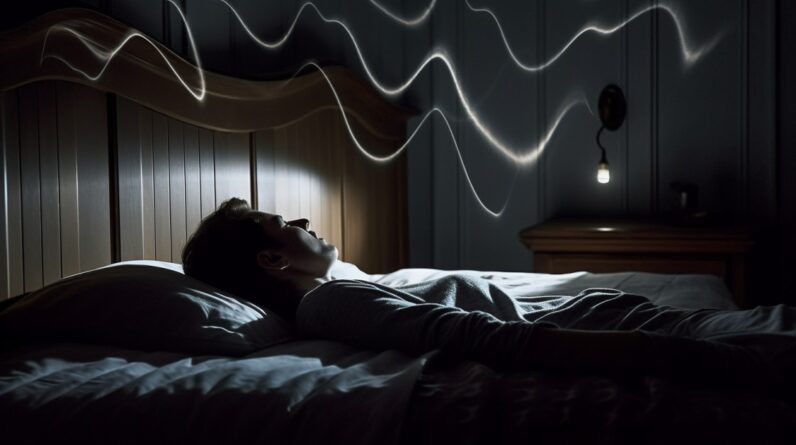
Tinnitus can feel much louder and much more infuriating in the stillness of the night. Feeling tired yet unable to sleep because of constant noise can be mentally draining. Imagine trying to fall asleep while someone incessantly rings a bell next to your ear – that’s how some sufferers describe their plight. The resulting lack of sleep can impact psychological health significantly and escalate the vicious cycle of stress and anxiety. Here’s more detailed information about the connection between Sleep and Tinnitus.
Remember, if tinnitus is interfering with your quality of life, seek professional help. Tinnitus can feel isolating, but you’re not alone, and there are resources available to help.
Mental Health Complications Related to Tinnitus
Tinnitus, as an unnerving condition, invariably leads to mental strain, more notably in the forms of anxiety, depression, and sleep disorders. When we say mental strain, we’re not assigning stereotypical stigmas. Instead, we recognize the often-overlooked fact that persistent, distressing noises—even if they’re only perceptible in one’s ears—can take a real toll on mental wellbeing.
The phenomenon is not just psychological; there’s an intriguing physiological angle to it too. Some research suggests that the nerve signals from tinnitus can disrupt the limbic system—the part of the brain that controls emotions. This disruption can exacerbate feelings of distress, which could manifest as anxiety or depression.
Dealing with The Anxiety Caused by Tinnitus
Anxiety and tinnitus can indeed feed off each other in a wearisome loop. But did you know there are ways to break this cycle? Various coping strategies and treatments can help manage the anxiety that tinnitus can cause. Cognitive-behavioral therapy, sound therapy, or a combination of both can be effective. Why not check out this article on Treatment for Tinnitus Anxiety for more detailed information? The fundamental idea is to learn not to perceive the tinnitus sounds as a threat, thereby reducing the stress response they cause.
Link Between Tinnitus and Depression
Feeling blue or down in the dumps for an extended period can be a sign of depression—a condition that can sometimes be caused or intensified by chronic tinnitus. The persistent perception of unwelcome noise can lead to feelings of helplessness that envelop the joys of daily life, leading to a depressive state. If you’re experiencing these feelings, it’s crucial to reach out for professional help. There’s a wealth of advice and strategies outlined in this post about Depression from Tinnitus. Remember, you’re not alone in this. And yes, it’s okay to ask for help.
Living with tinnitus is undeniably challenging. But it’s crucial to remember that it doesn’t have to weigh down your mental wellbeing. By understanding the condition better and reaching out for the right support, you can learn to manage tinnitus effectively—and continue living the life you love.
Coping Mechanisms and Treatments
Living with tinnitus doesn’t have to feel like a life sentence. Just like any chronic health issue, there are proven coping mechanisms and treatments available for tinnitus. These strategies can not only help manage the noise but also alleviate the associated stress and anxiety.
From lifestyle adjustments to psychological therapies, there are various tactics one can employ, all with the aim of maintaining a satisfying life–despite the presence of the phantom sounds. More importantly, these methodologies can help prevent a mental health crisis that could arise from the stress of dealing with persistent tinnitus.
Cognitive Behavioral Therapy for Tinnitus
When coping mechanisms and habituation strategies don’t seem enough, professional help can be invaluable. Cognitive Behavioral Therapy (CBT), for instance, has shown promise in providing relief for tinnitus patients. But what’s CBT, one might ask? It’s a form of psychotherapy that teaches people how to change their thoughts, feelings, and behaviors to improve their mental wellbeing.
CBT for tinnitus focuses on changing the negative thought patterns that can amplify the distress caused by the condition. CBT can help a person realize that the ringing, though bothersome, doesn’t have to control their life. If you’re intrigued to know more about this therapeutic approach, the article on Cognitive Behavioral Therapy for Tinnitus can offer further insights.
Success Stories: Living Positively with Tinnitus
Tinnitus is a unique condition with unique reactions for each individual. But amid the hardships, there are many ‘tinnitus warriors’ who have discovered how to live positively with the condition. These success stories can be a beacon of hope for those feeling alone or overwhelmed.
They show that, while tinnitus may be part of their life, it doesn’t define them. From musicians to athletes to everyday heroes, many are sharing their journeys, shedding light on how they’ve managed or even overcome the debilitating effects of tinnitus. For some real-life inspiration, check out these uplifting Tinnitus Success Stories.
Conclusion: Tinnitus Doesn’t Have to Drive You Crazy
So, to answer the question, ‘Can tinnitus make you crazy?’; yes, it can be distressing, it can be uncomfortable, and it can be challenging. But it doesn’t spell an inevitable road to madness. Help is available, and with the right support, you can learn to manage tinnitus and maintain a life of joy, success, and satisfaction. You don’t have to let the noise win.
Can Tinnitus Make You Crazy - Frequently Asked Questions (FAQs)
Can Tinnitus really drive you crazy?
While tinnitus can cause stress and anxiety, ‘driving you crazy’ is a subjective term. If the condition is causing significant distress, professional mental health support is recommended. Proper management techniques can help individuals live comfortably despite tinnitus
Does tinnitus cause mental health problems?
Tinnitus can contribute to mental health issues like anxiety and depression, especially if the condition is severe and chronic. It can interfere with sleep and daily life, creating stress. However, it’s important to remember that help and treatments are available.
Does anxiety worsen tinnitus?
Yes, anxiety can worsen the perception of tinnitus. Stress and anxiety often exacerbate tinnitus symptoms, causing a vicious cycle. However, various treatments, like cognitive behavioral therapy, can help manage this.
How to cope with tinnitus anxiety?
Coping strategies for tinnitus-related anxiety include relaxation techniques, sound therapy, cognitive behavioral therapy, and medication in some cases. Developing a solid support network is also helpful. For more in-depth information, you can visit here .
Can tinnitus be psychosomatic?
Tinnitus is typically a symptom of an underlying physical condition like hearing loss or ear infection. However, its impact can be dramatically increased by psychological factors. That’s why cognitive behavioral therapy, which addresses the mental reactions to the condition, can be effective in managing tinnitus.
Amazon and the Amazon logo are trademarks of Amazon.com, Inc, or its affiliates.
Related posts:
- Unraveling the Echo Chamber: A Comprehensive Guide to Understanding and Managing Anxiety-Induced Pulsatile Tinnitus”
- Understanding ADHD and Tinnitus: Is there a Connection?
- Sinusitis and Pulsatile Tinnitus: Unraveling the Hidden Connection
- Ear Ringing Non Stop: Unraveling the Mystery of Tinnitus and Proven Strategies to Silence the Noise