We may earn money or products from the companies mentioned in this post.
As an Amazon Associate I earn from qualifying purchases.
Introduction
Have you ever experienced a ringing or buzzing noise in your ears that no one else can hear? If yes, you’re not alone. Millions of people across the world suffer from a condition known as tinnitus, which can range from a mild annoyance to a severe impediment. But what causes tinnitus? The reasons can be multifaceted, from exposure to loud noise, certain medications, or even age-related hearing loss. For a deeper understanding, you can read more about what causes ear tinnitus on our website.
The Science of Tinnitus
Tinnitus is not a disease in itself but a symptom of an underlying health condition. It is usually subjective, meaning only you can hear the noise, although there are rare cases of objective tinnitus, where the doctor may also hear the noise during physical examination. For a quick overview of what tinnitus causes, we have a comprehensive post that delves into the topic even further.
Tinnitus can differ from person to person, and there are several kinds of tinnitus, varying in sound descriptions, causes, and treatment options.
But have you ever wondered if the use of Airpods can cause tinnitus? Well, excessive exposure to loud sounds, including listening to music at high volumes, can indeed contribute to the onset of tinnitus. Uncover more about how tinnitus from airpods might occur.
Tinnitus and Weather Change
Believe it or not, the weather can also play a role in aggravating your tinnitus symptoms. Specifically, the cold winter months might see a spike in tinnitus symptoms for some. Why does this happen?
During colder weather, our bodies work harder to maintain our core body temperature. This can lead to constricted blood vessels and increased blood pressure, which might, in turn, intensify the awareness of tinnitus during cold weather.
Some people have also reported that they found their tinnitus symptoms worsening when it’s colder, leading to the question – does cold weather affect tinnitus? It most certainly can for due to aforementioned reasons.
For some, this seasonal intensification of tinnitus – referred to as winter tinnitus – can be much more than a small annoyance.
It’s always crucial to understand that tinnitus is a very individualistic condition, and its triggers can vary wildly from person to person. If you’re intrigued by the connection between tinnitus and the weather, remember to “Check the National Weather Service for temperature changes” during winter. It would be wise to see if any pattern emerges and discuss this with your doctor or audiologist.
Why Cold Weather May Worsen Tinnitus
So what is it about cold weather that might amplify tinnitus? One main factor is blood pressure. Just as winters can make roads icy and unsafe, this season can also be treacherous for those suffering from tinnitus. The cold can narrow your arteries, causing your blood pressure to rise. This increased circulatory strain can cause ear ringing, especially if you already have a predisposition toward tinnitus.
Sinus infections or sinusitis can also be a potent trigger for tinnitus. Cold weather often brings along seasonal flu and other such ailments leading to sinus congestion. These scenarios can cause sinus-based pressure changes, leading to a certain ‘sinusitis’ which may worsen tinnitus symptoms.
Finally, cold winter air can make your ears feel blocked or full. This ear-fullness can exacerbate the perceived intensity of your tinnitus. Click on this link to understand more about ear fullness and its association with tinnitus.
Strategies to Cope with Tinnitus in Winter
To cope with winter and tinnitus, simple strategies can go a long way. Staying hydrated is one; believe it or not, drinking water may indeed help reduce the intensity of tinnitus. Keeping your body hydrated aids proper circulation and may reduce tinnitus symptoms.
Secondly, therapies like Craniosacral therapy can also be instrumental. It involves using gentle touch to manipulate the joints in the skull, parts of the pelvis, and the spine to treat disease. For a detailed understanding, here are some resources on craniosacral therapy for tinnitus.
And lastly, sleep. Poor sleep can aggravate tinnitus, but, on the flip side, the right sleep posture can make a significant difference. Dig deeper into finding the best sleep position for tinnitus.
Lifestyle Choices and Tinnitus Management
When it comes to tinnitus, small lifestyle changes can make a big difference. Certain foods can trigger or intensify tinnitus. For instance, people who experience ‘acid reflux’ might witness an upsurge in their tinnitus symptoms.
Exercise too can prove to be a critical part of your tinnitus management routine. Regular physical activities might reduce tinnitus symptoms by improving blood flow to the ears. Here’s a look into how tinnitus comes and goes with varying activity levels.
Besides, stress management plays a pivotal role in tinnitus alleviation. Stress is practically synonymous with tinnitus. Therefore, effective stress management could be one of your keys to manage tinnitus better, especially if you’re already dealing with a ‘tension headache tinnitus’. Considerable life changes often come from small lifestyle adjustments. Now, let’s take the steps towards tinnitus relief together.
Consultation with a Health Practitioner
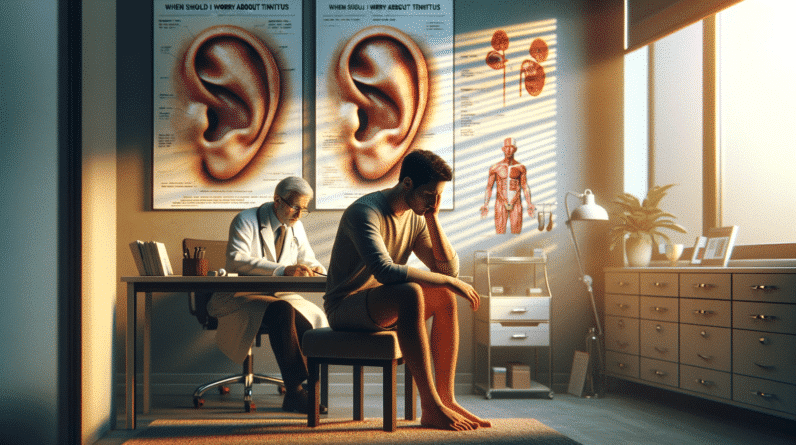
Experiencing tinnitus, especially its exacerbation in winter, calls for professional medical advice. Recognizing when to see a doctor for tinnitus is crucial, and if you’re dealing with persistent or worsening symptoms, it’s time to take the necessary steps.
An audiologist plays a significant role in diagnosis and treatment plans for tinnitus. With their expertise, they can guide you through the process of managing your symptoms and improving your quality of life. Find out more about the role of an audiologist in tinnitus from our detailed post.
Conclusion
What can we take from our discussion on cold weather and tinnitus? Primarily that this symptom, often annoying and sometimes debilitating, can indeed get worse with dropping temperatures. However, with strategic management and lifestyle changes, you can reduce its severity and continue to live a healthy and fulfilling life.
But remember, everyone’s case of tinnitus is individual. Strategies that work for one may not work for all. Therefore, it’s always best to seek professional help. Be it an audiologist, a health practitioner, or even a support group, help is available. If you want to read more on the subject and gain a comprehensive understanding, this article on Understanding Tinnitus, on our website, could be an excellent place to start.
Therefore, while winter might enhance the sounds of tinnitus, you have the power to dial down its volume. Keep yourselves warm, stay informed, and here’s to a ‘quieter’ winter ahead!
Cold Weather Tinnitus - Frequently Asked Questions (FAQ)
Yes, cold weather can potentially exacerbate tinnitus. The body’s blood circulation can be affected by cold temperatures and this may lead to a increase in the intensity of tinnitus. However, it’s important to remember that every individual’s experience with tinnitus is unique, and weather conditions may not affect everyone in the same way.
Staying hydrated, keeping warm, avoiding loud noises, reducing caffeine and alcohol intake, and trying certain therapies like craniosacral therapy can help manage tinnitus. Also, maintaining a healthy lifestyle and regular exercise regime can significantly improve your tinnitus symptoms.
Yes. If you are experiencing persistent tinnitus or if your symptoms are worsening, it is important to consult a doctor or a professional audiologist. They can guide you to effective treatments and strategies for better managing your symptoms.
In some cases, tinnitus may improve over time on its own, especially when it’s associated with a treatable condition. But if you’re experiencing tinnitus symptoms, it’s always a good idea to consult with a healthcare professional to explore treatment options.
Absolutely. Simple lifestyle modifications such as a healthy diet, regular exercise, avoidance of loud noises, and good sleep patterns can go a long way in managing tinnitus symptoms. A healthcare professional can provide customized strategies based on your symptoms and lifestyle.
Amazon and the Amazon logo are trademarks of Amazon.com, Inc, or its affiliates.
No related posts.