





We may earn money or products from the companies mentioned in this post.
As an Amazon Associate I earn from qualifying purchases.
Suppose you’ve come across this article, chances are you’ve heard of tinnitus. But what exactly is it? We’re here to demystify this ailment, dive into its root causes and symptoms, and more importantly, explain why understanding its frequency is pivotal for diagnosis and treatment.
What is Tinnitus?
Tinnitus, according to the American Tinnitus Association, is an auditory nuisance described as a constant or intermittent sound in one or both ears. It’s not a disease, but instead, it’s a symptom emanating from a range of underlying causes, including age-related hearing loss, exposure to loud noise, and certain medications.
It’s often described as ‘ringing in the ears,’ but it also can sound like hissing, buzzing or even humming. At this point, you might be thinking, “That’s all good to know, but why are we talking about frequency in the context of tinnitus?”
The Role of Audio Frequency in Tinnitus
Let’s make it clear: the ‘noise’ you hear with tinnitus isn’t an extraneous sound but rather a perception formed within your own auditory pathways. These sounds can appear in various pitches. Now, this is where frequency comes into play.
In the context of sound, frequency refers to how fast a sound wave vibrates per second, typically measured in hertz (Hz). Each tinnitus tone relates to a specific frequency. This frequency is unique for each person, just as unique as a fingerprint.
Discovering Your Tinnitus Frequency: A Detailed Guide
Identifying your personal tinnitus frequency isn’t an uphill battle. Go through the following guide that discusses a variety of techniques to find your unique tinnitus tone.
The Importance of Finding Your Tinnitus Tone
Have you ever wondered, “Why should I bother about finding my tinnitus frequency?” Here’s why – knowing your tinnitus pitch is the first step toward an effective therapy.
With tinnitus treatments such as sound masking or notched music therapy, knowing the exact frequency of your tinnitus assists in creating a customized sound therapy for you. Yes, the concept of personalized therapy is not just confined to Netflix recommendations; it stretches out to tinnitus treatment too!
You’ll find a lot more about the process by checking my website page, “find tinnitus frequency”. This blog delves deeper into how to determine the pitch of your tinnitus and how it can guide you to manage tinnitus better.
In the next section, we will further explore these techniques and online tools in detail, along with how tinnitus frequency apps operate. So, let’s keep going, shall we?
Techniques and Tools for Finding Your Tinnitus Frequency
Finding your personal tinnitus frequency isn’t a shot in the dark; with the right tools and methods, you can identify it accurately. Some of the most common techniques include:
- Tinnitus pitch matching: This involves matching your perceived tinnitus sound to an external sound. Most audiology clinics offer this service.
- Online tools: Some websites have audio files of different frequencies that you can listen to and match with your tinnitus tone.
- Mobile applications: If you’re into the tech-savvy world, some incredible apps can help you find your tinnitus frequency in a few simple steps.
Finding a reliable tool for matching your tinnitus frequency should ideally offer a broad range of frequencies, both high and low pitches, and allow you to fine-tune until you find a perfect match. And speaking of apps…
How to Use a Tinnitus Frequency App
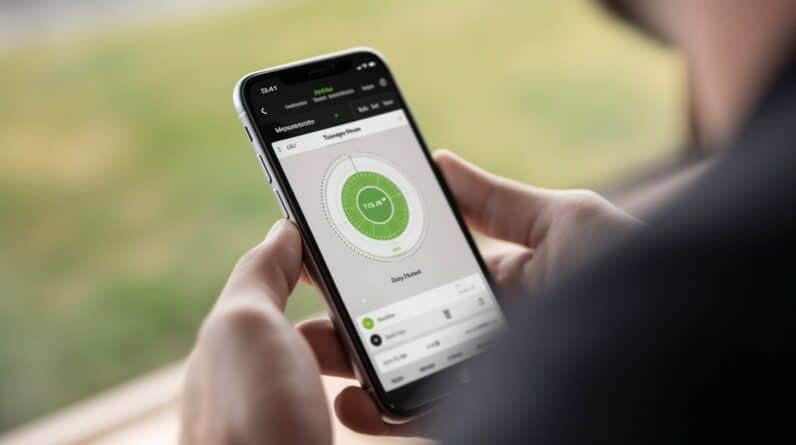
These days, there’s an app for almost everything, even for finding your tinnitus frequency. So, how do you navigate this course? I’ll share about an app installed on my own phone from my blog, the Phonak Tinnitus Balance App. This app renders a significant difference in my daily life, especially in my quest to keep tinnitus in check.
These apps serve up tones of different frequencies. You listen in and adjust the volume and pitch of the sound until it matches the sound you hear from your tinnitus. It’s simple, efficient, and most importantly, it puts you in control.
How Hearing Aids Can Help with Tinnitus
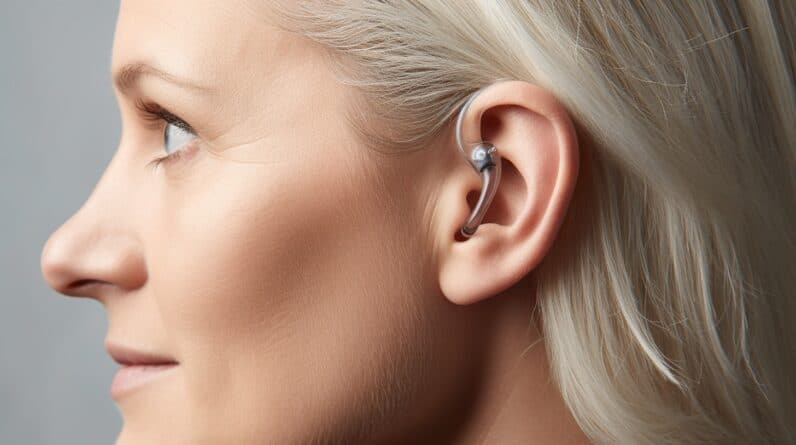
Hearing aids for tinnitus don’t merely amplify sounds to compensate for hearing loss; they cover multiple fronts, including matching and masking tinnitus sounds, making them less bothersome.
But how exactly does hearing aids achieve this? Let’s dive in.
The Connection between Hearing Aids and Tinnitus
Sound therapy, where external noise is used to alter the perception or reaction to tinnitus, forms a critical part of many tinnitus treatment regimens. Your ears play a vital role in how your brain processes sound. Although individual experiences vary, evidence indicates that when the ear receives more “external” sounds to process (thanks to a hearing aid), it is less likely to “produce” the internal noise of tinnitus.
This external noise can sometimes stimulate the nerve cells in a different way that can result in a reduction of the tinnitus perception. So, not only can hearing aids help improve your hearing, but they can potentially reduce your perception of tinnitus too.
The story of acoustic treatments and tinnitus is interesting, and you can read more about that in the subsequent sections. For now, let’s swiftly jump to another essential: hearing aids. In particular, is there a gold standard for the best hearing aids for tinnitus? You’ll find out soon.
Are Hearing Aids Effective for Tinnitus?
This is a key question that deserves to be addressed. In response, studies, including those shared on my blog – “Would hearing aids help with tinnitus” and “Best hearing aids for tinnitus”, show that hearing aids can indeed help manage tinnitus.
A hearing aid can increase the amount of external sound information reaching the brain. This external input can help mask the tinnitus noise and, over time, may change the brain’s response to both sounds.
In a nutshell, while hearing aids don’t cure tinnitus, they’re a tool that can substantially reduce the daily stress of dealing with this condition.
The Cost of Tinnitus Hearing Aids
Quality hearing aids come with a price tag. Yet, inner peace and freedom from the unending orchestration of tinnitus in your ears are priceless! You might be wondering: how much do these devices cost?
While prices can vary widely based on brand, features, and services, they can range from around a few hundred to several thousand dollars. You can check out more details in the “tinnitus hearing aids prices” article on my website.
Don’t fret over the numbers! There are various financial resources available to help you afford a suitable hearing aid. Check with your insurance provider, explore nonprofit organizations, or consider a payment plan.
Conclusion: Taking Control of Your Tinnitus
All in all, tinnitus might seem like a frustrating or daunting condition, but it’s essential to know you’re not powerless. Understanding the frequency of your tinnitus is not only possible, but with the steps and tips we’ve provided, it’s achievable!
From using tinnitus frequency apps to considering hearing aids, you have several tools at your disposal to cope with and manage tinnitus. By identifying the pitch of your tinnitus, you can seek custom sound therapy tailored to your needs.
Remember, every tinnitus journey is unique just like every tinnitus frequency. Stay patient, keep exploring what helps you the most, and take control of your tinnitus!
If you or a loved one need accurate, comprehensive, and up-to-date information on tinnitus, feel free to visit Mayo Clinic’s page on Tinnitus.
Thank you for joining me in exploring the soundscape of tinnitus treatment. Your path to a more harmonious life with tinnitus starts here.
Find Tinnitus Frequency - Frequently Asked Questions (FAQs)
Tinnitus frequency refers to the pitch of the perceived noise caused by tinnitus. It can range from low to high and is usually unique to each person experiencing tinnitus.
Knowing your tinnitus frequency is important for effective therapy. Custom sound therapies that match your tinnitus frequency can help to reduce the perception and distress caused by tinnitus.
You can find your tinnitus frequency through various methods- from tinnitus pitch matching techniques at an audiology clinic to online tools and mobile applications designed to identify your tinnitus tone.
Yes, hearing aids play a significant role in managing tinnitus. By increasing external sound information reaching the brain, hearing aids potentially reduce the perception of tinnitus.
The cost of tinnitus hearing aids varies widely, ranging from a few hundred to several thousand dollars, depending on the brand, features, and services included.
Amazon and the Amazon logo are trademarks of Amazon.com, Inc, or its affiliates.
Related posts:
- Unlocking the Power of Hearing Aids for Tinnitus: Your Ultimate Guide to Choosing the Best Tinnitus Hearing Aid
- Beyond the Ringing: The Unexpected Connection Between OCD and Tinnitus
- Understanding ADHD and Tinnitus: Is there a Connection?
- The Ultimate Guide to Color Noise: Finding Your Perfect Match for Tinnitus Relief


2 Comments