We may earn money or products from the companies mentioned in this post.
As an Amazon Associate I earn from qualifying purchases.
Table Of Contents
What if you had a constant noise in your ears that just wouldn’t go quiet? Imagine trying to sleep, work, or enjoy life with an incessant ringing, buzzing, or humming playing in the background of your auditory landscape. That’s the reality many live with due to a condition called tinnitus. With the [American Tinnitus Association – Understanding Tinnitus] affirming a continually increasing number of sufferers, understanding this condition becomes crucial.
Tinnitus can’t merely be phrased as an ‘annoying ringing’ but a broader symptom reflecting an underlying condition, such as age-related hearing loss, ear injury, or a circulatory system disorder. Interestingly, tinnitus isn’t a condition itself. It’s more of an indication that something’s not right with your auditory system.
What is Chronic Tinnitus?
Now, speaking of chronic tinnitus, let’s dive deeper into this often asked about aspect of the ailment. Chronic tinnitus is when the ringing, humming, or buzzing in your ears persists for a prolonged period, typically more than six months. Unlike acute tinnitus, which comes and goes and is usually triggered by loud noises, chronic tinnitus is continuous. The noise doesn’t dissipate; it’s always there.
You see, chronic tinnitus is not transient. It’s relentless. It doesn’t give the sufferer moments of reprieve, and this never-ending, persistent noise affects the quality of life. It often brings sleep difficulties, disrupts focus, and some even experience emotional distress.
Tinnitus: A Chronic or Temporal Issue?
Given the elusive nature of tinnitus, a question arises: “Is tinnitus a chronic or temporal issue?” Well, the answer is, “It can be both.” Tinnitus can be temporary or chronic depending on its causes and severity.
Temporary tinnitus or acute tinnitus, as we mentioned earlier, comes and goes. It is often triggered by exposure to loud noises. Ever been to a rock concert and left with ringing ears? That’s a fleeting form of tinnitus which usually resolves within a few hours to a few days.
On the contrary, chronic tinnitus entails a more drawn-out affliction. It’s brutal, continuous, consistent, and often, sadly, perennial. But remember, irrespective of its duration, tinnitus is usually indicative of some other underlying health conditions. So, whether it’s acute or chronic, it should never be ignored.
Causes of Chronic Tinnitus
As we continue our understanding of chronic tinnitus, let’s explore the probable causes. Chronic tinnitus is typically the result of a variety of elements. It’s often associated with age-related hearing loss, exposure to loud noise, earwax blockage, and changes in the ear bones. Medical conditions such as high blood pressure, allergies, anemia, diabetes, and cardiovascular disease can also trigger chronic tinnitus.
One unexpected cause that surprises many is Otosclerosis. It’s a relatively common condition where the bones in the middle ear grow abnormally. These bones are crucial in hearing as they transmit sound from the outer ear to the inner ear. When otosclerosis occurs, it can cause hearing loss and trigger tinnitus symptoms.
The Impact of Chronic Tinnitus on Daily Life
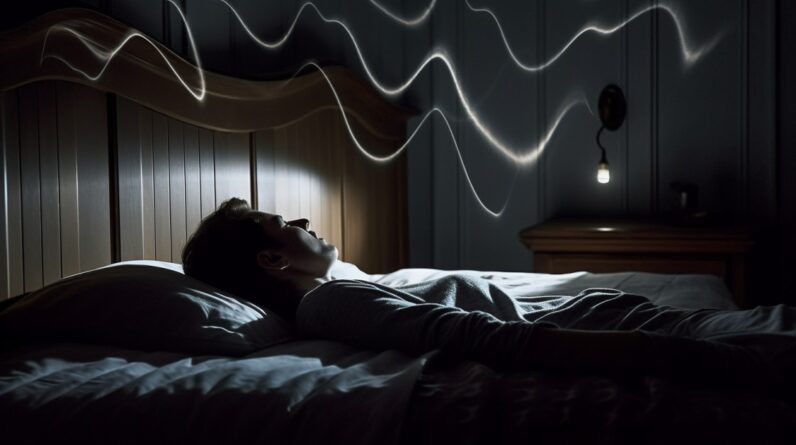
When tinnitus turns chronic, its impact isn’t just confined to the ears. Rather, it affects the overall quality of your daily life. A constant ringing or buzzing in the ear can instigate more than just a mild annoyance—it can lead to severe distress, such as sleep deprivation and anxiety. Remember how important a good night’s sleep is for your wellbeing? Now, imagine trying to fall asleep with an incessant sound ringing in your ears! Tough, isn’t it?
Anxiety is another frequent companion of chronic tinnitus. The constant noise can cause significant distress, leading to anxious feelings that feed into a vicious cycle—tinnitus generates anxiety, and that anxiety, in turn, can make tinnitus seem worse.
And the sufferers? They employ diverse strategies to cope. Some harness the power of music therapy or sound machines to mask tinnitus, while others swear by meditation or mindfulness practices to manage anxiety. There are patients who have returned to normalcy with medical interventions and treatments. Yet others have found relief in tinnitus support groups, taking comfort in shared experiences. After all, sometimes knowing you’re not alone in your struggle eases half of the burden, doesn’t it?
Living with Long-Term Tinnitus
Let’s talk about individuals who have lived with tinnitus for years. To an outsider, it might be surprising to learn that there are people who’ve been dealing with that constant internal noise for not just months, but years. While each journey is unique, these long-term sufferers often share common experiences, challenges, and victories.
Their stories echo the resilience of the human spirit—the adaptability and inherent strength to cope, evolve, and most importantly, move forward. Some individuals share how various therapies and treatments helped them. Many openly discuss the dark days but also strongly emphasize the strategies and measures they found helpful.
And isn’t that what we want to hear? We desire narratives of resilience and solutions. We want to know there are ways to cope—because to hear that there’s relief is to have a breath of fresh air amid a burgeoning tempest.
Managing Severe Tinnitus
So, what are some techniques for tinnitus relief? From medical treatments and therapies to lifestyle adjustments, a lot can assist in managing tinnitus.
Hearing aids, for instance, can help mask that annoying buzzing or ringing. Tinnitus Retraining Therapy (TRT) aids in conditioning your brain not to notice the sounds. Tailored sound therapy playlists can be created to help you sleep or concentrate. And, of course, lifestyle adjustments like noise exposure reduction, stress management, and proper sleep can work wonders.
Conclusion: Learning to Live with Chronic Tinnitus
Living with chronic tinnitus is indeed a journey—one of courage, gradual coping, resilience, and self-care. The buzzing may not go away entirely, but the tumultude can be tamed. The strategies talked about here, together with continued medical guidance, can help manage tinnitus.
More importantly, know that you are not alone. With the right tools and the right mindset, tackling chronic tinnitus becomes a manageable mission. And in that pursuit, remember to take care of your mental well-being because you’re fighting a lion, and you’re capable!
After all, our extraordinary ability to adapt brings us to look beyond the ringing and find the melody of life. Doesn’t that already feel like a victory on chronic tinnitus?
Is Tinnitus Chronic - Frequently Asked Questions (FAQ)
Tinnitus is a condition where an individual hears sound, often a ringing or buzzing, that is not caused by any external source. This sound can be constant or intermittent and can vary in loudness. Tinnitus is often a symptom of an underlying condition, such as hearing loss, ear injury, or a circulatory system disorder.
The length of tinnitus can vary greatly depending on the underlying cause and individual experience. Some people may experience tinnitus for a short period after exposure to loud noises while others may deal with it for years, in this case, it’s called chronic tinnitus.
Chronic tinnitus can be caused by a variety of factors including exposure to loud noise, age-related hearing loss, earwax blockage, otosclerosis, and certain medical conditions like high blood pressure, allergies, anemia, diabetes, and cardiovascular disease.
Yes, in some cases, tinnitus may resolve on its own, especially if it has been caused by a temporary condition such as exposure to loud noise or a short-term illness. However, chronic tinnitus requires medical attention and possibly treatment to manage the symptoms.
Yes. There are treatments available for tinnitus depending on the underlying cause. Some common treatments include hearing aids, tinnitus retraining therapy, and sound therapy. Lifestyle adjustments like noise exposure reduction, stress management, and proper sleep can also help manage tinnitus.
Amazon and the Amazon logo are trademarks of Amazon.com, Inc, or its affiliates.
No related posts.