We may earn money or products from the companies mentioned in this post.
As an Amazon Associate I earn from qualifying purchases.
Table Of Contents
Tinnitus, a potentially debilitating condition characterized by ringing, buzzing, or hissing in the ears, has long been researched for its causes and effects. One intriguing question that keeps cropping up is, is tinnitus psychological? Or, can tinnitus be psychological? An affirmative answer might seem surprising, but as we delve deeper into the intricacies of this condition, it’s easy to see how the lines blur between the physiological and the psychological aspects of tinnitus. The following sections will provide insights into the nature, causes, and implications of tinnitus in the context of psychology. Visit our Tinnitus Explained page for more detailed information.
Understanding Tinnitus
Before we address whether tinnitus is psychological, it’s essential to understand what exactly tinnitus is. Tinnitus is a perception of sound in the ears or head when there is no external sound source or internal cause such as a blocked ear canal or ear infection. But what are tinnitus sounds? Tinnitus sounds may vary from person to person. Some may hear a ringing sound, while others may hear a buzzing, hissing, or even a roaring sound. These sounds may be constant or come and go, sometimes the ear ringing suddenly subsides and may reappear without any apparent reason. More detailed information on what tinnitus sounds are and what tinnitus sounds like can be found in the mentioned links.
Causes of Tinnitus
Identifying the exact causes of tinnitus can be challenging as it can be linked to a multitude of factors, ranging from ear damage and age-related hearing loss to certain medications. However, one less evident but quite significant factor in the development of tinnitus is psychological stress. Furthermore, certain conditions such as diabetes can amplify the risk of tinnitus development, pondering over the question, “does diabetes cause tinnitus?” Similarly, some everyday dietary items such as sugar have been implicated in tinnitus; hence, the inquiry is “can sugar cause tinnitus?”
Paying close attention to these factors can be of immense help in managing and even overcoming tinnitus. Understanding how tinnitus works and its causes, can help us tackle the question at the core of this article, “Is Tinnitus Psychological?” and its implications for treatment paradigms.
Psychological Implications of Tinnitus
Moving deeper into the labyrinth of tinnitus, one cannot overlook its significant psychological implications. It’s interesting to discover how tinnitus remarkably intertwines with various aspects of our mental wellbeing.
Tinnitus and anxiety often go hand-in-hand. The incessant sound in your ear can lead to increased stress and psychological discomfort. In some cases, this can snowball into an anxiety disorder, with the individual constantly fearing the return or worsening of the tinnitus sounds. Information on how tinnitus can cause anxiety is profoundly explored in our articles.
Depression is another psychological disorder closely linked with tinnitus. The persistent, bothersome sounds could potentially lead to feelings of hopelessness and sadness. An article on how tinnitus leads to depression discusses this linkage more in depth.
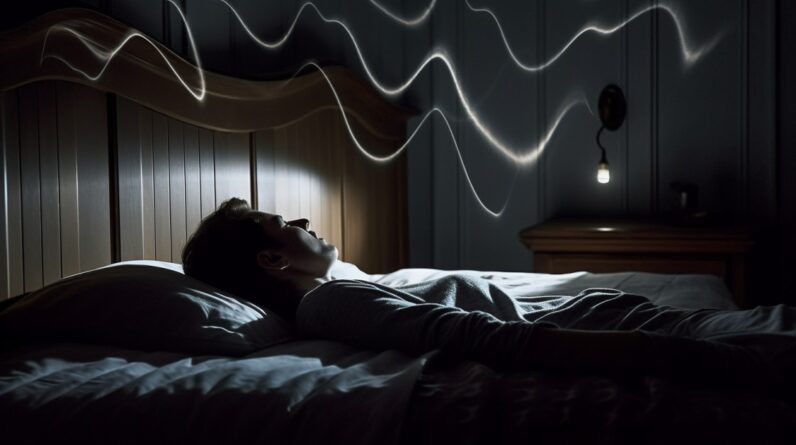
Tinnitus also has significant implications on an individual’s sleep patterns. The sounds often become more noticeable in a quiet environment, such as at night, making it difficult for the individual to fall asleep or stay asleep. Dive more into the relationship between sleep and tinnitus.
Tinnitus and Psychological Disorders
Going beyond anxiety and depression, the realm of psychological conditions implicated by tinnitus extends far and wide. An interesting correlation can be noted between tinnitus and PTSD (Post-Traumatic Stress Disorder). Some studies indicate that tinnitus can be a symptom or a byproduct of PTSD. The spiraling thoughts about the condition combined with flashbacks and sleep disturbances from PTSD makes the journey to recovery all the steeper. Explore more about PTSD and tinnitus through our online resources.
A potential link exists between tinnitus and OCD (Obsessive-Compulsive Disorder) as well. Some individuals develop certain compulsive habits to cope with their tinnitus, which, in turn, could manifest as OCD. Plug deeper into this subject on our page about OCD Tinnitus.
Tinnitus has also been observed in individuals with dementia. While it’s unclear whether tinnitus leads to dementia or its just a symptom, the common denominator remains – a decreased quality of life. More on the correlation between tinnitus and dementia can be found on our page.
Moreover, tinnitus can mess with your sleep patterns, often leading to insomnia. This disrupted sleep can exacerbate anxiety and other psychological conditions, creating a vicious cycle. Further insights into tinnitus anxiety insomnia are available on our site.
Unearthing these psychological implications of tinnitus gives us a rounded perspective on its impact and brings us closer to addressing the big question – “Is tinnitus psychological?”.
Coping with Tinnitus
Besides understanding the complexities and psychological facets of tinnitus, effective coping mechanisms remain vital in dealing with it. Foremost on this list is the application of psychological therapies. Cognitive Behavioral Therapy (CBT), for instance, has proven to be a highly effective strategy. CBT helps individuals change their perception and reaction to tinnitus, enabling them to lead less distressing lives. Dive deeper into tinnitus cognitive behavioral therapy to understand the process.
Apart from psychological therapies, sound therapy has also shown promising results. Using background noise to mask tinnitus, sound therapy can help divert focus away from the disturbing sounds of tinnitus, reducing anxiety and improving sleep. Explore our page on tinnitus sound therapy apps to learn more about these useful tools.
Lifestyle changes, such as proper diet, regular exercise, yoga, and mindfulness, can also go a long way in managing tinnitus. Remember, while you may not be responsible for having tinnitus, how you react and cope with it remains entirely in your control.
Conclusion
Tackling the question, “Is Tinnitus Psychological?” uncovers a world of details, intricacies, and above all, hope. Our exploration journey reveals that even though tinnitus is, at its core, a physiological condition, it undeniably has significant psychological implications that interweave with our mental wellbeing. Consequently, treating tinnitus requires addressing not only the physical symptoms but also the emotional and psychological reactions to it.
In closing, remember that dealing with tinnitus is an individual journey that may require trial and error with different therapies and coping strategies. Stay hopeful, for there are stories of individuals who’ve not only coped successfully with tinnitus but also they’ve seen their symptoms reduce considerably over time. Our website shares these inspiring stories, such as tinnitus gone after 2 months, and the success of tinnitus retraining therapy. These accounts serve as tangible proof that you can live with—and possibly overcome—tinnitus. Let’s navigate this journey together, taking one step at a time, and remember, you’re not alone.
Is Tinnitus Psychological - Frequently Asked Questions (FAQ)
Tinnitus is a perception of noise or ringing in the ears. It’s a common problem that affects about 15-20% of people. It isn’t a condition itself, but it’s a symptom of an underlying condition, such as ear injury, age-related hearing loss, or disorders in the circulatory system.
Yes, tinnitus can be caused or amplified by psychological factors such as stress and anxiety. It’s a vicious loop where the distressed sounds lead to more anxiety and the increased anxiety exacerbates the sounds, creating a cycle. Management of stress and anxiety is often a key component of tinnitus treatment.
While tinnitus is usually triggered by a physiological issue, it has notable psychological impacts. Persistent, bothersome tinnitus can lead to conditions such as stress, anxiety, and depression. In some instances, tinnitus is more noticeable during quiet periods, such as bedtime, leading to sleeping difficulties and further exacerbating psychological distress.
As of now, there is no surefire cure for tinnitus. However, several management strategies and treatments are available that can help to alleviate the symptoms. These include lifestyle changes, cognitive behavioral therapies, sound therapy, and sometimes, medication.
Several psychological disorders, including anxiety, depression, PTSD, OCD, and insomnia, have been associated with tinnitus. It’s important to remember, while tinnitus might contribute to these conditions, the reverse can be true – these psychological disorders can exacerbate the effects of tinnitus.
Amazon and the Amazon logo are trademarks of Amazon.com, Inc, or its affiliates.
No related posts.