We may earn money or products from the companies mentioned in this post.
As an Amazon Associate I earn from qualifying purchases.
Table Of Contents
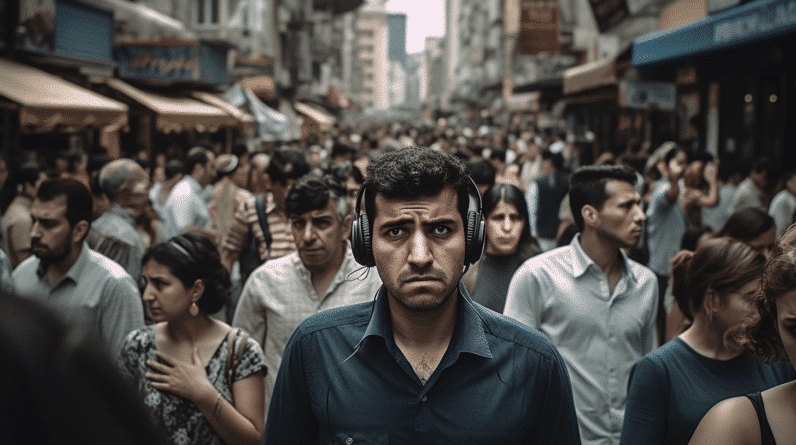
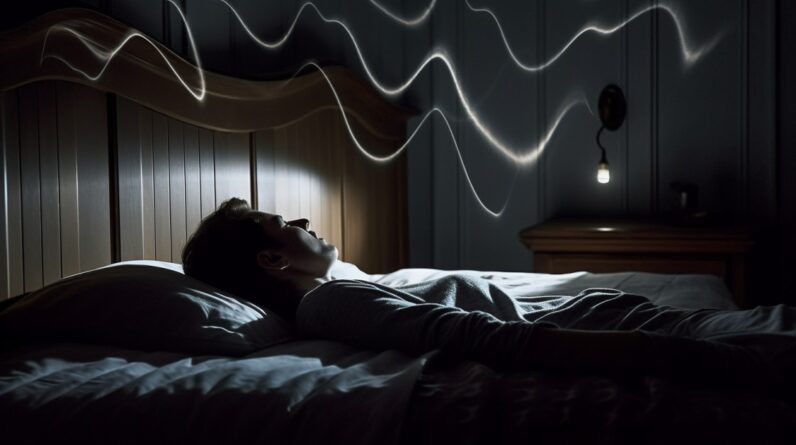
Have you ever noticed that the quietest rooms seem the noisiest at night? This phenomenon is especially true for individuals suffering from tinnitus. Picture yourself tossing and turning, longing for sleep, but the ring-ring-ring in your ears just seems deafening in the hush of night. So you might wonder, is tinnitus worse at night, or is it all just your sleep-deprived mind?
Before we dive headfirst into this nighttime mystery, let’s take a step back and uncover the reality of tinnitus. Displayed on our page, Tinnitus Explained, tinnitus is not just a condition but a symptom. It’s that persistent ringing, buzzing or whooshing in your ears without an external noise source. Frustrating? Absolutely. But knowing what’s causing this can be the key to understanding our initial query.
This invite us to a subsection known as the link between tinnitus and your circulatory system. Many don’t realize that our cardiovascular health can heavily influence the severity of our tinnitus. On our blog post /tinnitus-circulatory-system, we highlight how high blood pressure or changes in blood flow can augment the intensity of tinnitus. Therefore, maintaining a healthy lifestyle can indirectly keep our tinnitus in check! Fascinating, isn’t it?
Now onto the heart (and ears) of our discussion: Tinnitus at nighttime. Mainly, it’s the quiet which is the culprit. The lack of external sounds accentuates the perception of tinnitus. It’s like trying to listen to a whisper in a rock concert versus a library; the latter setting definitely makes the whisper more audible! Then there’s bedtime anxiety. As per the Mental Health Foundation, anxiety can directly increase the tinnitus, creating a vicious cycle. So next time when you complain about your tinnitus getting louder, think about how your surroundings and state of mind could be contributing.
Unraveling such insights is just the beginning. Tinnitus might seem louder at night, but know that there are effective strategies to cope with it. Intrigued? Keep reading.
After our earlier revelation, it’s time to ponder: Does tinnitus get worse after a good night’s sleep? While it might seem counterintuitive, but yes, tinnitus can often seem louder after you wake up. Why so? Check out our blog post on sleep and tinnitus. The lack of stimuli during slumber brings our brain’s perceptions to the forefront, including tinnitus. Therefore, you are more aware of your phantom sounds.
Moreover, as per our page tinnitus when its quiet, the quieter the environment, the louder tinnitus appears. Much like our whisper-library analogy, when every other noise subsides, the tinnitus can reign freely. So yes, nighttime inherently increases the apparent loudness of your tinnitus.
The impact of tinnitus can be far-reaching, enveloping our mental health sphere especially. The constant ringing in your ears can cause a significant level of distress leading to anxiety. Our post tinnitus cause anxiety delves into the intricate connection between tinnitus and anxiety. It’s an insightful read for those who experience increased worry and stress due to their auditory troubles.
Not to mention that the presence of persistent phantom sounds can disrupt normal sleep patterns. How so? On our blog is sleep apnea secondary to tinnitus, we discuss the link between sleep apnea and tinnitus extensively. You might not realize that your urge to constantly adjust sleeping positions to find that tinnitus ‘silent spot’ can disrupt your restful slumbers, making your mornings not so pleasant!
Many often underestimate the pervading impacts of tinnitus, but it’s time to comprehend the broad spectrum of its effects. The good news? You are not alone in this journey, and yes, there are effective strategies to curate a night routine that works for you!
Is Tinnitus Worse At Night - Frequently Asked Questions (FAQ)
This is primarily due to the lack of environmental noise and distractions that usually divert your attention away from tinnitus during the day. In addition, stress or anxiety related to bedtime can exacerbate the perception of tinnitus. Refer to our post on how one can manage tinnitus at nighttime for more detail.
Indeed, poor sleep quality or sleeping disorders such as sleep apnea can make tinnitus more noticeable. Find out more from our dedicated post on Sleep and Tinnitus.
Yes, the constant annoyance of tinnitus can lead to anxiety in many individuals. For a deeper understanding, visit our page Tinnitus cause Anxiety.
Treatments include Cognitive Behavioral Therapy (CBT) and the use of hearing aids or tinnitus masks for sound therapy. To learn more, head on to our pages tinnitus cognitive behavioral therapy and hearing aid tinnitus masking.
Amazon and the Amazon logo are trademarks of Amazon.com, Inc, or its affiliates.
No related posts.