
We may earn money or products from the companies mentioned in this post.
As an Amazon Associate I earn from qualifying purchases.
Can you imagine constantly hearing a ringing or buzzing noise in your ears, with no external source? This is the reality for those diagnosed with tinnitus, a common condition that affects over 15% of the general public. Now, imagine there was a cutting-edge technology aimed at alleviating these symptoms. Laser treatments, specifically those using low-powered lasers, have been gaining ground in addressing tinnitus.
A Look at Tinnitus: Causes and Implications
Tinnitus is often described as a persistent noise in the ears. It’s not a condition in itself, but a symptom of underlying health issues, like ear infections, age-related hearing loss, or a circulatory disorder. Tinnitus can range from mildly annoying to severely debilitating, affecting the quality of life. It can potentially lead to difficulty hearing, working, or even sleeping. Intrigued to know more about this condition? Check out this Tinnitus Overview provided by the Mayo Clinic.
The Role of Cold Laser Therapy in Tinnitus Treatments
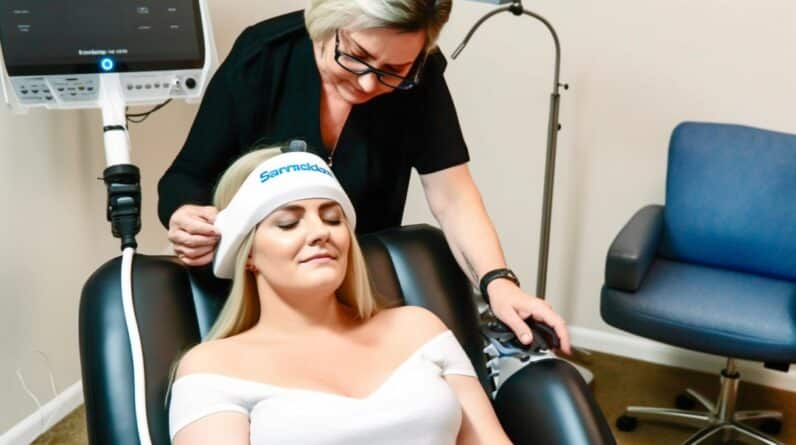
So, how can laser therapy potentially benefit those with tinnitus? Here, we’re focusing on treatments like cold laser therapy tinnitus adelaide, which employs non-thermal, low-level lasers. The objective is to reduce inflammation and promote cell function, subsequently reducing tinnitus symptoms. We can also consider the tinnitus laser pen treatment, a portable device allowing convenience. These treatments fall under the umbrella of tinnitus lazer and konftec tinnitus options, providing different approaches to the same issue.
Exploring Different Tinnitus Laser Treatments
Aside from the cold laser therapy and laser pen, there are several other laser treatment options for tinnitus. The tinnitus laser and tinnitus laser therapy are such treatments that employ a similar approach but may have variations in factors like intensity, sessions needed, and methodology. They utilize the light energy to target the inner ear (cochlea), aiming to stimulate the damaged cells potentially causing tinnitus. It’s worth noting that there’s still ongoing research into the efficacy of such treatments.
Red Light Therapy for Tinnitus
Among the laser treatments, red light therapy for tinnitus is getting significant attention. By directing low-level red light into the ears, this therapy works at a cellular level to repair and regenerate cells. Preliminary findings suggest an improvement in tinnitus symptoms and a reduction in associated stress. Yet, it’s essential to understand that comprehensive long-term studies are still needed, as with many laser-based treatments.
Undoubtedly, people living with tinnitus are continually seeking Treatment Options for Tinnitus, and technologies like laser therapies are opening new pathways in this pursuit. However, ensuring to consult health professionals and staying informed about the Understanding Tinnitus is crucial in managing this condition.
Low Level Laser Treatment for Tinnitus
The principle behind tinnitus low level laser therapy is fascinating. In simple terms, low-level lasers project light of a specific wavelength to the internal ear, sparking a biological response from cells, which can be beneficial in mitigating the symptoms of tinnitus. The therapy is non-invasive and has been complimented for not causing any discomfort during the process.
Wilden Tinnitus and Laser Treatment
Delving further into laser treatments, there lies a method named wilden tinnitus treatment, which utilizes both conventional and laser therapy to tackle tinnitus. The method was developed by Dr. Lutz Wilden and has received various anecdotal endorsements for helping improve tinnitus symptoms. The combination of therapies provides a multifaceted approach which may cater to different causes of tinnitus, thus enhancing its potential effectiveness.
Potential Side Effects and Consideration
Like every therapy, laser treatments for tinnitus aren’t free of potential issues. Some patients have reported minor side effects like skin irritation, while some others have reported little to no improvement in their symptoms. The response to laser therapy can vary greatly between individuals, and therapy effectiveness can depend on tinnitus severity, the underlying cause, any existing health conditions, and other factors. It’s advisable to discuss expectations and potential risks with your healthcare provider before proceeding with any new treatment.
Conclusion
In conclusion, laser treatments can potentially offer hope for tinnitus sufferers. They represent a ground-breaking approach that’s seen positive results in some individuals. Whether it’s low level laser, red light therapy, or a wilden tinnitus treatment, the goal remains the same: alleviating the often debilitating symptoms of tinnitus. However, it’s important to remember that everyone’s experience with tinnitus is unique, and what works for one person may not work for another. If considering laser treatment, consult with a medical professional to better understand tinnitus and evaluate all possible treatment options for tinnitus to find what might work best for you. The journey to mitigate tinnitus symptoms might seem daunting, but remember, every step brings you closer to sound silence.
Laser Treatment For Tinnitus - Frequently Asked Questions (FAQ)
While laser treatments have shown promising results in managing the symptoms of tinnitus, they are not considered a cure. Everyone’s experience with tinnitus is unique, and the effectiveness of such treatments can vary.
Some reported side effects include skin irritation at the site of treatment. Some people also report not experiencing any improvement in their tinnitus symptoms. It’s advisable to discuss potential risks with your healthcare provider before initiating any new treatment.
Red light therapy, a form of low-level laser treatment, works at a cellular level to repair and regenerate cells potentially causing tinnitus. Early findings suggest an improvement in tinnitus symptoms and a reduction in associated stress.
Insurance coverage for laser treatment for tinnitus varies widely depending on your location, insurance provider, and plan specifics. It is recommended to discuss this with your medical care provider and insurance company before treatment.
Low-level lasers project light of a specific wavelength to the inner ear, sparking a biological response from cells. This approach can be beneficial in mitigating tinnitus symptoms. It’s non-invasive and generally doesn’t cause discomfort during the process.
Amazon and the Amazon logo are trademarks of Amazon.com, Inc, or its affiliates.
No related posts.