We may earn money or products from the companies mentioned in this post.
As an Amazon Associate I earn from qualifying purchases.
Tinnitus, a common condition affecting about 15-20% of the population, is often described as a ringing in the ears, but it also can sound like roaring, clicking, hissing, or buzzing. Some people experience it in one ear, some in both, and for others, it’s akin to noise inside the head. The sound might be continuous or it may come and go, it might keep time with your heartbeat or your breathing, or it might seem to have a random pattern.
Its causes are myriad, from noise exposure, ear infection, to less common culprits like Meniere’s disease. For some people, tinnitus can be attributed to something as simple as a buildup of wax in the ear or taking certain medications. It’s even associated with psychological stress and disorders like depression and anxiety.
There are two kinds of tinnitus: Subjective tinnitus, the most common type, is tinnitus only you can hear. This can be caused by ear problems in your outer, middle or inner ear. Objective tinnitus, which your doctor can hear when they’re doing an exam, is much less common and typically caused by problems with blood vessels, bones in the middle ear, or muscle contractions.
Now that we’re all acquainted with tinnitus, let’s delve deeper into its treatments, as meticulously documented on the pulsatiletinnitustreatments.com blog.
Comprehensive Tinnitus Treatment Options
When it comes to tinnitus, there’s no one-cure-fits-all offering. There’s an array of tinnitus treatments, both modern and traditional that have proven successful for many. For those seeking a wholly natural path, Tinnitus yoga can be a good jump-off point. Yoga, a time-honored mind-body practice, aims for physical and mental well-being. Certain postures and breathing exercises have been reported to alleviate the symptoms of tinnitus.
Bridging the gap between tradition and future, let’s explore the promising arena of stem cell treatment for tinnitus. Stem cell therapy, although not widely available, is being researched and shows potential in treating tinnitus caused by nerve damage. Stem cells in the treatment of tinnitus may offer an alternative to current therapies by regenerating these damaged hair cells.
On the more traditional medical front, surgeries can also be an option, even though they can be quite costly. As provided on the Tinnitus Treatments segment on pulsatiletinnitustreatments.com, in some cases, surgeries may be recommended to remedy associated conditions such as an acoustic neuroma, a benign tumor, etc.
While on the subject of cost, there also exists a debate around the affordability of treatments such as the Tinnitus Retraining Therapy. Is the cost well worth the relief it claims to offer? Let’s find out.
Understanding the Tinnitus Retraining Therapy
Retraining therapy, as the name suggests, is all about retraining the brain to perceive the sound of tinnitus differently. It relies heavily on the principles of neuropsychology and is a mixed bag of sound enrichment therapies and tinnitus-focused counseling.
Sound therapy plays a pivotal role in tinnitus management. The premise is to use external sounds to change the patient’s interpretation and response to tinnitus. Sound generators, known as TENS units, are used to create a soothing, immersive audio environment, thereby reducing the prominence of tinnitus sounds.
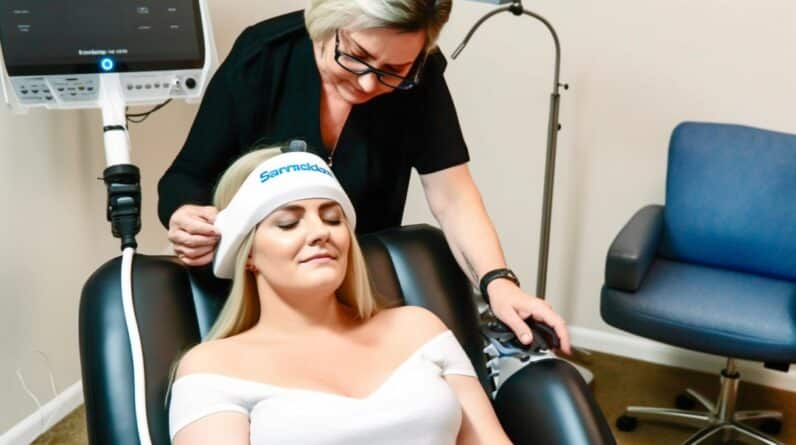
Adding another layer to the interventional approach is the use of such techniques as TMS treatments. Transcranial magnetic stimulation (TMS) is a noninvasive procedure that uses magnetic fields to stimulate nerve cells in the brain. It’s being explored in treating various conditions, including tinnitus, by targeting the brain areas involved in mood control and depression.
Tinnitus Retraining Therapy Cost
The cost dilemma around tinnitus retraining therapy hangs heavily for most people. Often therapy sessions can run into months, sometimes even a year learning to manage and eventually ignore tinnitus symptoms.
As per the information given at pulsatiletinnitustreatments.com the price tag for a Tinnitus Retraining Therapy typically ranges anywhere from $1200 to $2500 per ear or more depending on the area where you reside. This price often includes the hearing test, consultations, the device itself, and follow-ups.
The next big question is, can it not be covered by insurance? As it stands today, insurance coverage for treatments for tinnitus, including tinnitus retraining therapy, is spotty at best. Many insurance companies consider tinnitus treatments experimental and do not offer coverage for these treatments. However, every insurance policy is different and it’s essential that you talk to your insurance provider to ascertain what exactly is covered in your policy.
Having said that, it’s also worth mentioning that costs should be evaluated against potential benefits. Despite the price tag, the substantially improved quality of life and reduced tinnitus symptoms might make this therapy worth considering for many individuals.
In the end, the cost of not treating tinnitus can be higher, impacting daily life and well-being. It’s time to evaluate all options and make the best choice for a quieter and more serene life.
Comparisons and Alternatives to Tinnitus Retraining Therapy
When it comes to managing tinnitus, you’ll find a bag full of alternative treatment options. Although Tinnitus Retraining Therapy has its unique benefits, it might not be a fit for everyone. Let’s mull over the other choices at your disposal.
One of the most common approaches to subdue tinnitus involves sound treatment. This approach often includes sound generators to mask the tinnitus noise or to train the brain over time to get used to the tinnitus noise so it can be more easily ignored.
Another promising space is neuromodulation. This involves using electrical pulses to alter nerve activity. While this technology is relatively new in the arena of tinnitus management, it holds significant promise.
Then, we have the innovative laser treatment that is emerging as a sought-after therapy. These use low-level laser therapy aiming to improve blood flow and oxygen supply to the inner ear, which could help reduce tinnitus symptoms.
Personal Experiences and Reviews
Often, it’s the firsthand accounts from real people that help us draw clearer conclusions about certain therapies. One of the popular tinnitus solutions which has garnered praise is Quietum Plus. Through blogs like Quietum Plus Tinnitus Reviews, we find reviews and personal experiences of real people who have tried it, helping it to earn its spot among trusted tinnitus therapies.
Each person’s experience of tinnitus varies, with symptoms ranging from mildly disconcerting to debilitating. Consequently, opinions on any given tinnitus treatment’s effectiveness are likely to differ. Personal accounts narrate how some people find great relief in certain treatments, while others see little to no change. This diversity emphasizes the essential trick to managing tinnitus: personalization.
Conclusion: Is Tinnitus Retraining Therapy Worth it?
To wrap things up, is tinnitus retraining therapy worth it? The answer primarily lies in an individual’s specific circumstances and experiences with tinnitus.
For some, particularly those with severe, persistent tinnitus, the cost of Tinnitus Retraining Therapy may be a worthy investment in mental peace and respite from the constant noise. For others, more accessible or affordable alternatives, such as sound or laser therapy or supplements like Quietum Plus, could offer the relief they need.
Yet, amid all strategies and solutions we have scrutinized, one thing stands clear – the battle against Tinnitus need not be a solitary one. With the right solutions and plenty of support, tinnitus can indeed be conquered, granting the quietude and serenity you deserve. Each step towards understanding tinnitus better and seeking appropriate treatment is a step towards a more comfortable and enjoyable life. Deep breath in, and out. Help is at hand. And remember, you are not alone.
Tinnitus Retraining Therapy Cost - Frequently Asked Questions (FAQ)
TRT is a therapeutic approach which aims to treat individuals suffering from tinnitus. The therapy seeks to train the brain to habituate to the tinnitus signal, making it less noticeable and bothersome over time.
The therapy typically ranges anywhere from $1200 to $2500 per ear or more depending upon the area where you reside. This cost usually includes the hearing test, consultations, the device itself, and follow-ups.
Insurance coverage for TRT widely varies. Many insurance companies consider tinnitus treatments experimental and do not offer coverage for these treatments. However, it’s always important to check directly with your insurance provider for specific details on your coverage.
<p>Yes, several other treatments such as sound therapy, neuromodulation, laser treatment, medications, and lifestyle modifications are available. The suitability of these treatments depend on the individual’s unique condition and circumstances.</p>
TRT has been found to significantly improve the quality of life for many individuals with tinnitus. However, its effectiveness varies greatly from person to person and largely depends on the commitment to the therapy and follow-through on recommended practices.
Amazon and the Amazon logo are trademarks of Amazon.com, Inc, or its affiliates.
No related posts.