



We may earn money or products from the companies mentioned in this post.
As an Amazon Associate I earn from qualifying purchases.
In the intricate labyrinth of our inner ear, things occasionally may go wrong, and when they do, conditions like tinnitus and hearing loss can arise. Though separate conditions, across several studies, tinnitus and hearing loss have shown a compelling interconnectedness worth delving into. This article endeavours to explore these connections and maybe even clear some common misconceptions surrounding the two along the way. Buckle in!
What is Tinnitus?
Ever heard a buzzing or ringing or any other repetitive sound in your ear that no one else seems to hear? Well, you’re not alone. An estimated 15-20% of people encounter something similar known as Tinnitus. This phantom sound varies from person to person and can be continuous or sporadic, long-term or fleeting, and perceived in one or both ears. Though often misinterpreted as a disease, it’s actually a symptom of an underlying condition, like ear injury or age-related hearing loss.
Symptoms of Tinnitus
Tinnitus is not a one-size-fits-all situation; it can manifest in a myriad of ways. Broadly, the mainstay symptom of tinnitus is auditory perception without an external sound source. This sound can take any form, from a low roar or a high pitch to a hiss or click. More elusive early signs of tinnitus could include difficulty focusing, sleep disturbances, or even emotional distress. Awareness and identification are the first steps, but remember, it’s always necessary to check with health professionals as these symptoms could be indicative of other medical concerns too.
What Causes Tinnitus?
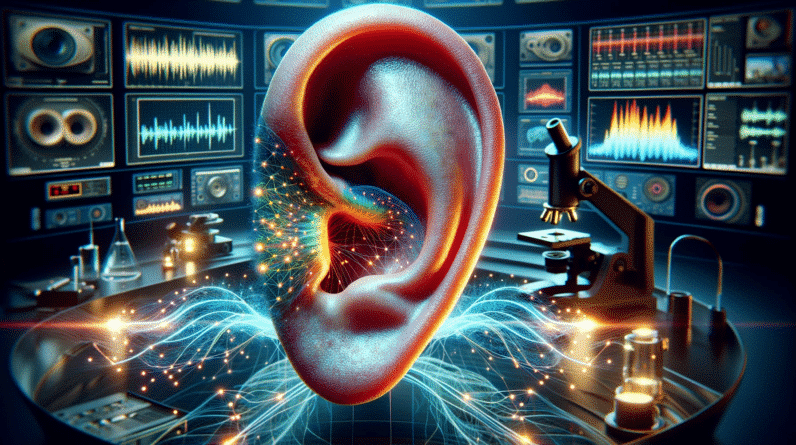
Annoying as it might be, tinnitus is often a by-product of certain conditions than a condition itself. Ear tinnitus can be prompted by numerous circumstances such as ear infection, hard wax blockage, or damaging sound exposure. Surprisingly, certain medications such as aspirin or antibiotics can lead to tinnitus too. However, the most prevalent cause of tinnitus is inner ear cell damage, specifically the hair cells in the cochlea. These cells convert sound vibrations into electrical signals to our brain. When damaged, these cells might send signals on their own leading to the infamous tinnitus “ring”.
For additional information on tinnitus and hearing loss, consider referencing the American Tinnitus Association or the Mayo Clinic’s study on Hearing Loss. Contrary to popular belief, tinnitus doesn’t automatically herald an oncoming hearing loss. However, maintaining general ear hygiene and seeking necessary medical help at the appropriate time goes a long way in keeping both at bay!
Tinnitus and Hearing Loss: Understanding the Connection
The association between tinnitus and hearing loss is no mystery. Tinnitus is often a symptom of hearing loss. What happens is that when our hearing is compromised, our brain sometimes fills in the missing sounds, and it does it by producing a constant low-level noise or ‘tinnitus.’ It’s not a sure-shot sign that hearing loss is imminent, but it’s often found hand-in-hand. Now that we understand the correlation let’s delve a little deeper.
How Tinnitus Can Cause Hearing Loss
Can the irritating ringing contribute to hearing loss? The answer is a complex one. Although tinnitus can cause hearing loss, it’s critical to understand that it does not directly damage the auditory system. It’s more of a symptom than a cause. Research from the National Center for Biotechnology Information discusses how tinnitus might interfere with one’s ability to perceive and process external sounds, leading to perceived hearing loss. Similarly, ear damage tinnitus can worsen the perception of tinnitus, which can be confused as hearing loss.
Managing Tinnitus and Supporting Hearing Health
Tinnitus can be a challenging condition to navigate, but knowing how to manage it can ease the journey and support overall hearing health. Asking, “Does tinnitus go away?” is common among newly diagnosed individuals. The good news is, with the right management and therapeutic strategies, most types can be effectively controlled. Diet, sound therapy, and maintaining ear health are all parts of effective tinnitus management. While for some, it might seem like there’s a long road ahead, it’s important to remember that tinnitus life expectancy has many factors, and many people find their tinnitus becomes less bothersome over time.
Conclusion: The Importance of Prompt Auditory Health Management
In summary, tinnitus and hearing loss share a complex relationship intertwined with several medical, acoustic, and psychological components. The key lies in early detection, prompt treatment, and consistent management. As an invisible issue, the toll tinnitus takes is often underestimated. One can manage and even overcome tinnitus with patience and the right strategies to enhance the overall quality of life.
Don’t ignore your ear health. If you experience symptoms of tinnitus or hearing loss, seek medical advice at the earliest. And remember the importance of protecting your ears from noise exposure and other forms of damage; it’s easier to preserve your hearing than to repair it after the damage is done!
Tinnitus Symptom Of Hearing Loss
Frequently Asked Questions (FAQ)
Tinnitus is characterized by the perception of phantom sounds in the ear, often experienced as a ringing or buzzing. It is frequently a symptom of an underlying condition such as ear injury or age-related hearing loss. The brain, in the absence of external sound signals, may create its own, resulting in tinnitus. Tinnitus does not directly cause hearing loss but it’s often found together with it.
Tinnitus can be caused by numerous circumstances including ear infection, ear wax blockage, sound exposure, or certain medications. However, the most common cause of tinnitus is inner ear cell damage, specifically the hair cells in the cochlea which send signals to the brain. When damaged, these cells might send signals on their own, leading to the perception of tinnitus.
Though tinnitus can be connected to hearing loss, it’s not the cause of it. The condition known as tinnitus emerges as a symptom of an underlying condition like age-related hearing loss or ear damage. It does not directly damage the auditory system. However, it can distract, annoy, or cause psychological stress, making the hearing loss appear worse.
Tinnitus varies among individuals. While for some, it might be a short-term situation, for others it can be a long-term issue requiring therapeutic strategies. With the right intervention and management, most types of tinnitus can be effectively controlled.
If you experience persistent tinnitus symptoms, it’s recommended that you seek medical help. Early detection and proper management can help control the symptoms and improve the quality of life.
Amazon and the Amazon logo are trademarks of Amazon.com, Inc, or its affiliates.
No related posts.


1 Comment