We may earn money or products from the companies mentioned in this post.
As an Amazon Associate I earn from qualifying purchases.
Table Of Contents
Tinnitus, in layman’s terms, is frequently characterized as a continuous or intermittent ‘ringing in the ears’. But what if we told you that this affliction broadens further than just ‘ringing’? Many individuals report sounds akin to humming, buzzing, hissing, whistling, or even low roar sounds in case of Pulsatile Tinnitus. Understandably so, tinnitus is an unseen yet loud hazard. It’s actually no surprise, considering 15-20% of the world’s population reports tinnitus symptoms. But what exactly is this subtle yet prevalent condition? Let’s delve into it.
Understanding the Basics of Tinnitus
Tinnitus is the perception of a sound, often characterized as a ringing or buzzing sensation, despite no corresponding external sound source. It might feel as though it’s originating from one ear, both ears, or even the center of your head. It’s vital to know that although frequently associated with hearing loss, tinnitus isn’t a condition itself. It’s symptomatic, meaning it might be a signal of something malfunctioning. To understand tinnitus better, consider it akin to a fire alarm. It’s not the fire, but it’s an indicator that there’s a fire somewhere. It rings true when considering the usage of assistive devices like hearing aids for tinnitus, which possibly alleviate the symptoms.
The Causes and Symptoms of Tinnitus
Understanding the origin of tinnitus can be as intricate as untangling a knot – it’s often multifaceted. From aging to Meniere’s disease, from loud noise exposure to certain medicines, many factors can contribute collectively to manifest into tinnitus. It’s like adding fuel to a fire, eventually causing enough damage to push the auditory system over its threshold, producing the unwanted tinnitus sounds.
One might wonder how tinnitus ‘sounds’? Tinnitus symptoms can vary vastly from person to person. Some might hear it as a soft whisper, while others might perceive it so loud it drowns out external sounds. The sounds can range from buzzing, ringing, ticking and humming, to something even musical in nature!
Examining The Effects of Tinnitus
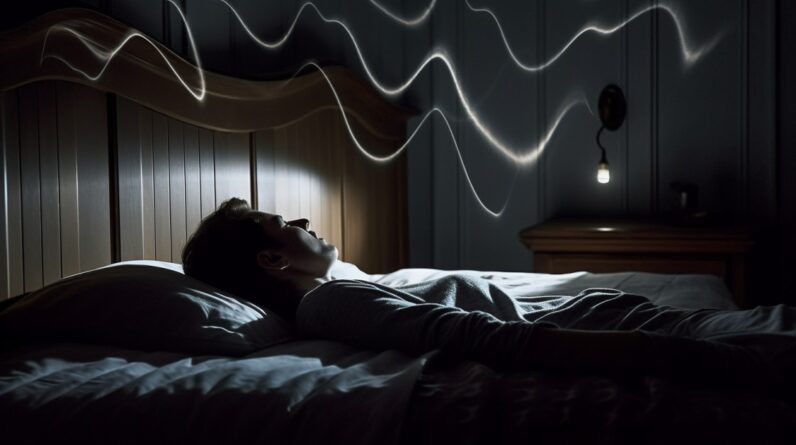
‘Tinnitus’ might be a small word, but its implications can be far-reaching. It’s often overlooked how much such a persistent noise can disturb someone’s day-to-day life. One primary concern is the disruptions it can cause to one’s sleep cycle, creating a vicious cycle of fatigue and stress. It’s definitely not “dreamy” to be kept awake by a phantom sound, right? In fact, did you know that such persisting sleep disturbances due to tinnitus can potentially result in tinnitus causing sleep apnea?
Understanding tinnitus isn’t just about acknowledging the physical discomfort. It’s also about recognizing the emotional toll. Imagine constantly being followed by an invisible sound only you can hear. Frustrating, isn’t it? It’s, therefore, crucial to acknowledge the anxiety and distress associated with tinnitus, and create a supportive environment for those afflicted.
Notable People Living with Tinnitus
You’d be surprised to know that some of the brightest stars above us also have to contend with this troublesome ‘celestial’ noise! Many renowned personalities from various fields, such as the entertainment industry, have openly spoken about their tinnitus experiences. A notable persona is musician Neil Young, who, in a twist of irony, described his tinnitus as “a mechanical ghost”. They’ve shared their journeys, not just to educate but also to de-stigmatize tinnitus. For in-depth stories of these tinnitus warriors, hop on celebrities who have tinnitus.
Different Tinnitus Treatment Options
While there’s no known ‘cure’, don’t let tinnitus ring an alarm bell! Owing to advancements in medical sciences, several potentially helpful treatment options exist. Be it sound therapy, which utilizes external noxious free sounds to alter the perception of tinnitus, or cognitive-behavioral therapy for tinnitus (CBT), a kind of talk therapy that changes the way people react to tinnitus – there are many approaches available. Pairing these treatments up with essential lifestyle changes, you won’t just survive the tinnitus wave, but might also learn surfing!
Tinnitus Relief and Management Techniques
Tinnitus might be chronic, but so can be the relief! Self-care performs the twofold action of reducing the intensity of tinnitus symptoms and improving one’s quality of life. Simple steps such as incorporating relaxation techniques, maintaining a healthy diet, using white noise machines for tinnitus, and keeping oneself mentally and physically active can be surprisingly effective!
So mind the gap and don’t let the quest to quieten the tinnitus noises drown out the beautiful symphonies of your life! Keep exploring these paths, and you might discover your unique rhythm to ‘tune out’ your tinnitus. Remember, finding silence amidst the noise is not the end goal – it’s learning to dance in the symphony of life that tinnitus unearths.
Frequently Asked Questions About Tinnitus
Through the course of this article, we have tried to answer some of the most asked questions about tinnitus. But of course, when discussing tinnitus, there’s no such thing as too many questions. Let’s address a couple more.
Is tinnitus real?
Tinnitus might sound straight out of a science fiction movie, but, it’s as real as any other health condition. The sounds aren’t figments of imagination; they’re very much real to the person experiencing them.
Why does tinnitus happen?
Tinnitus predominantly results from damage to your inner ear, but its causes are versatile – from a simple ear infection to a more serious neurological disorder.
Can you recover from tinnitus?
This is perhaps the million-dollar question. Truth be told, currently, there’s no known absolute cure. But, here’s the silver lining – medical science evolution! Various treatments and management techniques can greatly alleviate your symptoms, leading to a less disruptive daily life. To delve deeper into this topic, feel free to explore can you recover from tinnitus.
Tinnitus: A Closer Insight
While tinnitus sounds might not be music to your ears, understanding its intricacies can be an enlightening symphony. The world beneath the umbrella term ‘Tinnitus’ is profound and diverse. Pulsatile Tinnitus, for instance, which mimics your heartbeat, is different from its non-pulsatile counterparts. Unravel these kinds of interesting findings at Tinnitus Explained. Additionally, check out various external resources like the Mayo Clinic’s comprehensive guide on tinnitus, and Healthline’s informative piece.
Conclusion on Tinnitus
Unmasking tinnitus might lead us across labyrinthine paths, but it’s a journey worth taking. As we begin to unravel the enigma that is tinnitus, possibilities emerge. We believe, through understanding and empowerment, it’s possible that you can not only coexist with tinnitus, but thrive. If there’s one takeaway from this article, it should be that the ‘ringing’ doesn’t have to be a death knell. Instead, it could be the starting bell to an incredible journey of self-discovery and resilience. So, let’s gear up and keep exploring the vast universe of tinnitus at pulsatile tinnitus treatments.
What Is Tinnitus Of The Ears
Frequently Asked Questions (FAQ)
Tinnitus is the perception of sound or ringing in the ears when no external sound is present. It is a common problem and affects about 1 in 5 people. It isn’t a condition itself but a symptom of an underlying condition, such as age-related hearing loss, ear injury, or a circulatory system disorder.
Although there’s currently no complete cure for tinnitus, treatments available can help to manage the condition. These include sound therapy, cognitive-behavioral therapy, tinnitus retraining therapy, and hearing aids. Often, lifestyle remedies like stress management and white noise devices can also help to alleviate the symptoms.
Tinnitus often results from damage to the inner ear. Common causes include age-related hearing loss, exposure to loud noises, earwax blockage, changes in the ear bones, Meniere’s disease, TMJ disorders, head or neck injuries, and certain disorders, like hypertension or diabetes.
Tinnitus can be temporary or persistent. Temporary tinnitus often occurs after exposure to loud noise and usually subsides on its own. Persistent tinnitus, however, is generally permanent. But there are ways to manage the condition with treatments and therapy.
While tinnitus itself does not cause any physical health problems, it can interfere with daily activities and quality of life. It can lead to issues like fatigue, sleep problems, memory difficulties, and feelings of stress, anxiety, or depression. In certain cases, persistent tinnitus could be an indicator of a more serious underlying condition.
Amazon and the Amazon logo are trademarks of Amazon.com, Inc, or its affiliates.
Related posts:
- Unlocking the Secrets of Ear Pain and Ringing: Comprehensive Guide to Causes, Symptoms, and Breakthrough Relief Strategies
- Break Free from Tinnitus: Discover the Power of Cognitive Behavioral Therapy
- Unheard Stories: How Top Athletes Triumph Over Tinnitus
- Take Control of Tinnitus: The Best iPhone Apps for Relief