We may earn money or products from the companies mentioned in this post.
As an Amazon Associate I earn from qualifying purchases.
Introduction
Hearing a constant or intermittent ringing, buzzing, or whistling in one’s ears doesn’t often have a commonplace explanation. Still, for many people worldwide, this phenomenon – known as tinnitus – is a daily reality. Tinnitus doesn’t distinguish among its victims; it affects people of all ages and walks of life. However, as debilitating as this condition may first appear, numerous coping mechanisms can alleviate the distress associated around tinnitus. One such promising approach is the use of masking noise.
Curious about what we mean by ‘masking noise’? Stay tuned, because we’ll be diving deep into the nuances of this innovative tinnitus coping mechanism.
Understanding Tinnitus
Tinnitus can be best described as the perception of noise or ringing in the ears. It’s not a condition itself but is, in fact, a symptom of an underlying condition. This could be age-related hearing loss, ear injury, or a disorder in the circulatory system. For some, tinnitus can be a mere nuisance, but for others, it can be a chronic issue causing sleep disturbances, anxiety, and decreased concentration.
No conversation about tinnitus will be complete without mentioning Phonak Tinnitus. Phonak’s range of tinnitus management tools, including hearing aids and a specialized app, bolsters our arsenal against this ear nuisance. They have developed a holistic approach to tinnitus treatment that combines hearing aid technology with therapeutic solutions.
What is Masking Noise?
A person suffering from tinnitus will tell you, silence is not golden; it is, instead, when the ringing scream the loudest. This is where the technique of masking noise comes into play. Masking noise, as the name suggests, masks or covers the irritating tinnitus noise with a more pleasant one, essentially tricking the brain into focusing away from the disconcerting sounds.
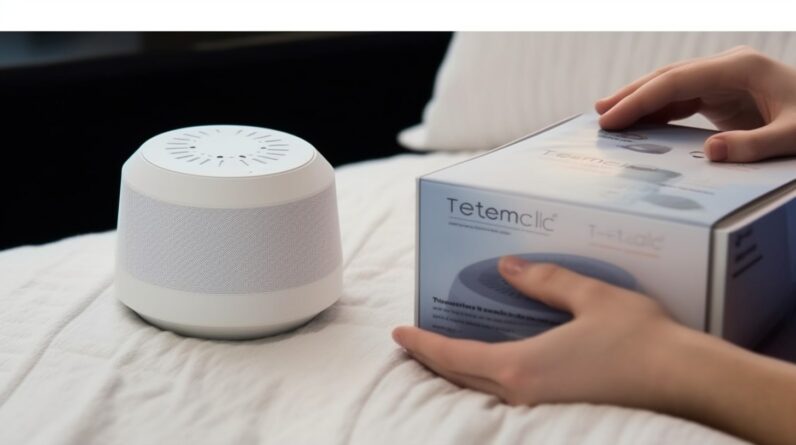
Masking noise can take the form of white noise, pink noise, nature sounds, or even music – anything that’s more soothing to the listener than the persistent ringing. Take Oticon Tinnitus, for instance. Oticon’s Tinnitus Sound Support helps generate a range of masking sounds, giving tinnitus sufferers some much-needed relief and the ability to focus on other sounds around them.
Through this article, we hope to fully explore the power of masking noise to alleviate tinnitus. We’ll delve into masking sounds, the use of hearing aids, and other tinnitus management techniques to provide relief for those who need it. Be prepared to find hope in the face of constant noise. There is a way through, and we’re here to guide you.
Common Masking Sounds for Tinnitus
If you’re not familiar with sound therapy, you might wonder what sounds could possibly mask the persistent annoyance of tinnitus. Well, it’s quite surprising just how comforting and effective these sounds can actually be. One of the most common sound types used is white noise.
White noise, scientifically speaking, is a consistent noise that comes out evenly across all hearable frequencies. In layman’s terms, it’s a steady, unchanging sound like a whirring fan or the constant pitter-patter of rain. The idea behind the use of white noise to mask tinnitus is to provide an even, neutral background noise to help divert attention away from the disturbing tinnitus sounds.
Beyond white noise, there are other forms of sound that also hold promise. These could range from soft music and nature sounds (like the rustling leaves or a babbling brook) to the calming hum of a washing machine. Experimenting with various sound options lets you find that perfect distraction and possibly even some relief.
Does Hearing Aid Help with Tinnitus?
Ever experienced a moment of dread when you misplace your glasses, only to find them on your forehead all along? A hearing aid can be just like that to a tinnitus sufferer. It’s a solution so close that it just gets overlooked.
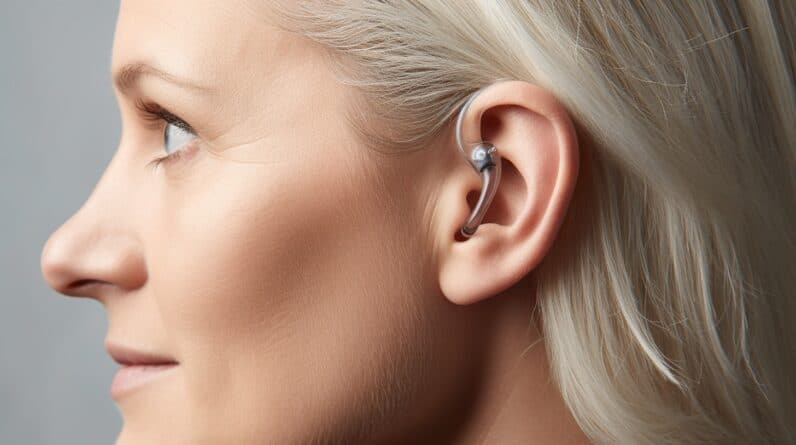
Yes, a hearing aid often provides an effective way to cope with tinnitus. Hearing aids do more than amplify external sounds. They also help your brain focus on external environmental sounds, thereby sidelining the disturbing tinnitus noises.
Hearing aids are especially beneficial if your tinnitus accompanies hearing loss; a common scenario. Amplifying the surrounding sounds can naturally drown out the tinnitus, allowing you to focus on what you want to hear.
Wondering about the cost of these nifty little devices? While these costs can vary, you can find detailed information about tinnitus hearing aid prices at the given link.
It seems ironic that the same organ responsible for the suffering could hold the key to its relief. However, with sound therapy and hearing aids, the world of tinnitus sufferers just may be a little quieter and a lot more enjoyable. The fight against tinnitus is ongoing, but with technology on our side, it’s a battle we are steadily winning.
Types of Hearing Aids for Tinnitus
Now that we’re familiar with how a hearing aid can help mask tinnitus let’s explore the different types of hearing aids available specifically to manage this condition. The hearing aid market is teeming with technological marvels designed to tackle tinnitus specifically. Companies are taking an innovative approach to integrate sound therapy techniques and other features to help improve life for people with tinnitus.
Take, for instance, Widex hearing aids for tinnitus. Widex offers a selection uniquely focused on tinnitus management, incorporating Zen Therapy, a holistic tinnitus management program that includes counseling, stress reduction, amplification, and fractal tones (soft, harmonic sound pitches) to help relax and refocus away from the tinnitus.
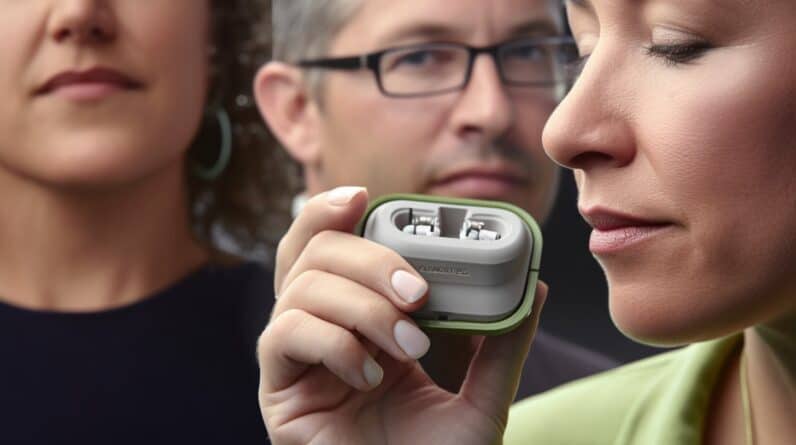
Additionally, you might want to check out the smallest hearing aids for tinnitus. These devices are discreet, comfortable, and can immensely improve your quality of life. They offer an array of features seamlessly packed into an impressively compact design. You’ll find these miniaturized marvels to be a perfect balance of style and function.
Conclusion
Noises you can’t control can be annoying, but when the noise is in your head, it’s downright frustrating. That’s tinnitus for you. But remember, despite how annoying or persistent your tinnitus might seem, relief is within reach.
The effectiveness of masking noise to help control tinnitus symptoms is not just anecdotal; it’s backed by science. By prioritizing a more pleasant sound over tinnitus (like white noise or music), we offer our brain a peaceful distraction.
The role of hearing aids in managing tinnitus is far more significant than it seems at first glance. Not only do they amplify external sounds to aid hearing, but their new-age models are also equipped with tinnitus masking functionality. Technology like that offered by Widex and other industry giants expands the horizon for tinnitus sufferers.
In conclusion, if you’re struggling with tinnitus, don’t lose heart. Various strategies and techniques can help you tackle this annoying condition. However, the crucial first step is educating oneself – understanding the condition, knowing the coping mechanisms, and being aware of the available options. It may be a journey, but it’s one no one needs to travel alone.
For more helpful information about tinnitus and its treatments, head over to our main page at Pulsatile Tinnitus Treatments. Together we can turn down the volume on tinnitus.
Masking Noise For Tinnitus - Frequently Asked Questions (FAQs)
Tinnitus is the perception of noise or ringing in the ears. It’s a common problem and affects about 15 to 20 percent of people. Tinnitus isn’t a condition itself — it’s a symptom of an underlying condition, such as age-related hearing loss, ear injury or a circulatory system disorder.
Masking noise is a technique used in the management of tinnitus. The theory is to cover or ‘mask’ the irritating tinnitus sounds with more soothing sounds. This could be white noise, nature sounds or even music. The goal is to divert the brain’s attention away from the tinnitus, leading to some relief.
Yes, hearing aids can be extremely beneficial in managing Tinnitus, especially for those who have hearing loss along with Tinnitus. Hearing aids can help amplify external sounds and reduce the perception of tinnitus by drawing attention away from it.
There is a range of sounds used to mask tinnitus. These are typically calming and consistent sounds like white noise, the sound of rain, a fan, waterfall, etc. The specific sounds chosen can be tailored according to personal preference and what works best for the individual.
You can get some useful and detailed information about tinnitus and its treatments from our website, Pulsatile Tinnitus Treatments. Our site explores tinnitus causes, remedies, and provides guidance on how to get relief from Tinnitus.
Amazon and the Amazon logo are trademarks of Amazon.com, Inc, or its affiliates.
Related posts:
- Unlocking the Power of Hearing Aids for Tinnitus: Your Ultimate Guide to Choosing the Best Tinnitus Hearing Aid
- Unlock Your Unique Tinnitus Tone: A Comprehensive Guide to Identifying and Managing Your Tinnitus Frequency
- Beyond the Ringing: The Unexpected Connection Between OCD and Tinnitus
- Unlocking the Power of Lyric Hearing Aids: A Revolutionary Approach to Tinnitus Relief